You spend 12-hour shifts caring for everyone else. Always lifting patients who can’t move themselves. You stand on concrete floors that never give your feet a break. Furthermore, you make life-or-death decisions while your own body screams for attention. This is why massage therapy for healthcare workers is essential for recovery.
If you’re a nurse, doctor, EMT, or hospital staff member, this sounds painfully familiar. In fact, healthcare workers experience some of the highest injury rates of any profession. Yet ironically, you’re the least likely to prioritize your own care.
Here’s the truth nobody tells you in nursing school or medical training: your body wasn’t designed for this level of physical punishment. Additionally, the emotional weight of healthcare work manifests as physical pain in ways most people never experience. Therefore, healthcare workers need specialized care that addresses both the physical and mental toll of the job.
Massage therapy isn’t about luxury spa days or pampering. Instead, it’s functional medicine for healthcare workers whose bodies are literally breaking down from the demands of the job. Moreover, therapeutic massage addresses the specific pain patterns that healthcare workers develop—patterns that typical treatments often miss.
This article breaks down the seven most compelling reasons why healthcare workers can’t afford to skip massage therapy. Additionally, you’ll discover why this isn’t optional self-care—it’s essential maintenance for a long, sustainable career in healthcare.
1. Healthcare Workers Suffer Devastating Back and Neck Injuries
The Reality of Patient Lifting
Nearly 52% of healthcare workers report chronic back pain. This isn’t surprising when you consider the constant lifting, transferring, and repositioning of patients. Even with proper body mechanics and lifting equipment, your spine takes brutal punishment every single shift.
Additionally, patients don’t cooperate like gym weights. They’re unbalanced, unpredictable, and often unable to help themselves. Therefore, your body compensates in awkward positions that strain muscles you didn’t even know you had. Furthermore, emergencies need immediate lifting without time to position yourself correctly.
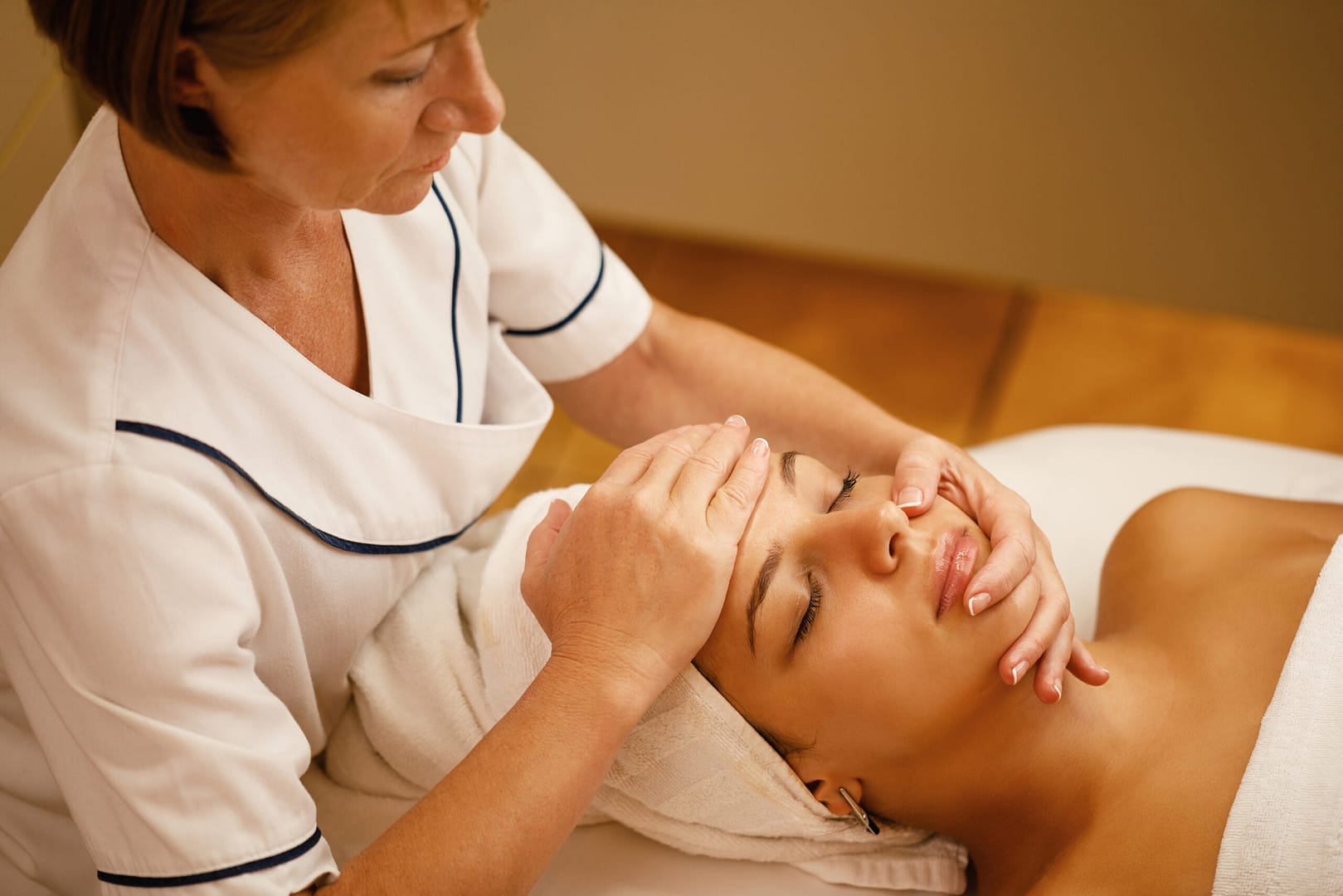
Massage Therapy For Healthcare Workers: How Spas & Therapy Helps Healthcare Workers
Therapeutic massage addresses the deep muscle tension that healthcare workers develop from lifting. Unlike stretching or ice packs, massage releases trigger points—those painful knots that form in overworked muscles. Additionally, regular massage prevents minor back strain from becoming chronic injury.
Moreover, massage improves your body’s biomechanics. When muscles are tight and unbalanced, you compensate with poor posture. This creates a vicious cycle of pain. Therefore, massage therapy helps healthcare workers maintain proper alignment, which prevents future injuries.
Think of it this way: you wouldn’t ignore a check engine light in your car. Similarly, that constant back ache is your body’s check engine light. Massage therapy addresses the problem before it becomes catastrophic.
2. Shift Work Destroys Healthcare Workers’ Bodies
The Toll of Irregular Schedules
Night shifts, rotating schedules, and irregular sleep patterns wreak havoc on healthcare workers. Your body’s natural rhythms affect everything from hormone production to muscle recovery. When you work against those rhythms, your body never fully recovers between shifts.
Furthermore, shift work affects how your body processes inflammation. Healthcare workers on rotating shifts show higher inflammation markers than those with regular schedules. This inflammation contributes to chronic pain, slow healing, and increased injury risk.
Additionally, irregular sleep means your muscles don’t repair properly. During deep sleep, your body releases growth hormone that repairs damaged tissue. However, healthcare workers rarely get consistent, quality sleep. Therefore, minor muscle damage accumulates into serious problems.
How Massage Therapy For Healthcare Workers Resets Healthcare Workers’ Systems
Massage therapy helps healthcare workers reset their nervous systems regardless of shift schedule. The treatment triggers a relaxation response that’s similar to deep sleep’s restorative effects. Therefore, you get some recovery benefits even when sleep is impossible.
Additionally, massage reduces inflammation throughout your body. This is especially important for healthcare workers whose irregular schedules keep inflammation chronically elevated. Regular massage helps break this cycle.
Moreover, massage therapy improves sleep quality on the nights you can sleep. Healthcare workers who receive regular massage report falling asleep faster and sleeping more deeply. Therefore, you maximize the limited sleep time your schedule allows.
3. Healthcare Workers Carry Extreme Emotional Stress in Their Bodies
The Physical Manifestation of Trauma
Healthcare workers witness suffering that most people never experience. You see patients die, deliver bad news to families, and make impossible decisions under pressure. Moreover, you’re expected to stay professional and composed through all of it.
This emotional stress doesn’t just stay in your mind,it lives in your body. Your shoulders creep up toward your ears without you noticing. Your jaw clenches during difficult shifts. Additionally, stress hormones flood your system during every code or emergency, and those chemicals take a physical toll.
Furthermore, many healthcare workers develop what’s called “somatic holding,” storing emotional trauma in specific muscle groups. This manifests as chronic tension that won’t release no matter how much you stretch or rest.
How Massage Therapy For Healthcare Workers Releases Stored Trauma In Professionals
Therapeutic massage helps healthcare workers release emotional tension stored in their tissues. The combination of skilled touch and safe environment signals to your nervous system that it’s okay to let go. Therefore, many healthcare workers experience emotional releases during massage—tears, deep sighs, or sudden relaxation.
Additionally, massage reduces cortisol, the stress hormone that stays elevated in healthcare workers. At the same time, it increases serotonin and dopamine, the chemicals that help you feel calm and balanced. Therefore, regular massage helps retrain your stress response.
Moreover, massage therapy provides something healthcare workers rarely experience: someone taking care of you. For an hour, you’re not responsible for anyone else’s well-being. This psychological relief is as valuable as the physical treatment.
4. Standing All Day Ruins Healthcare Workers’ Feet, Legs, and Entire Body
The Domino Effect of Foot Pain
Hospital floors are unforgiving. Healthcare workers walk an average of 4-5 miles during a 12-hour shift—all on hard surfaces that offer zero cushioning. Your feet, ankles, and legs absorb brutal impact with every step.
Additionally, standing for 12 hours causes significant swelling and pain. Compression socks help, but they’re not enough. Eventually, the cumulative stress catches up. Furthermore, foot pain changes how you walk, which affects your knees, hips, and lower back.
Many healthcare workers don’t realize that their back pain actually starts in their feet. When your feet hurt, you unconsciously adjust your gait and posture. These compensations create problems all the way up your body. Therefore, foot pain isn’t just a foot problem—it’s a whole-body issue.
How Massage Therapy For Healthcare Workers Addresses The Entire Chain
Massage therapy for healthcare workers includes comprehensive lower extremity work that most people overlook. Treating your feet, calves, and legs improves circulation, reduces swelling, and alleviates pain. Additionally, this work helps restore proper alignment throughout your body.
Furthermore, massage addresses the compensation patterns that develop from chronic foot pain. Your therapist can identify where you’re holding tension due to altered movement patterns. Therefore, treating the entire kinetic chain—not just where it hurts—provides lasting relief.
Moreover, regular foot and leg massage prevents serious problems like plantar fasciitis and Achilles tendinitis. These conditions sideline healthcare workers for weeks or months. Therefore, preventive massage saves you from injuries that could derail your career.
5. Healthcare Workers Massage: Healthcare Workers Develop Severe Computer-Related Pain
The Hidden Danger of Charting
Modern healthcare requires extensive computer documentation. Between patient care tasks, healthcare workers spend hours hunched over workstations. Electronic health records mean more screen time than ever before. Therefore, “tech neck” combines with physical labor to create severe upper body problems.
Additionally, charting often happens in awkward positions. You squeeze documentation between patient care tasks, standing at mobile carts or perching at cramped nurse’s stations. Furthermore, the mental stress of proper documentation adds muscle tension on top of physical strain.
Many healthcare workers develop forward head posture from hours spent looking at screens. For every inch your head moves forward from proper alignment, it feels 10 pounds heavier to your neck muscles. Therefore, even slight posture changes create enormous strain over time.
How Massage Therapy Fixes Tech Neck for Healthcare Workers
Therapeutic massage targets the specific muscle imbalances that healthcare workers develop from computer work. Deep tissue techniques release the tight chest and neck muscles that pull your head forward. Additionally, massage addresses trigger points that cause headaches and restricted movement.
Furthermore, your massage therapist can teach you simple stretches to do between charting sessions. These quick interventions, combined with regular massage, prevent minor tension from becoming chronic pain. Therefore, you maintain function despite the demands of electronic documentation.
Moreover, massage therapy helps healthcare workers maintain proper posture by releasing the restrictions that prevent it. When muscles are balanced and flexible, good posture becomes natural rather than forced.
6. Healthcare Workers Face Career-Ending Injuries Without Preventive Care
The Long-Term Cost of Ignoring Pain And Why Healthcare Workers’ Massage Therapy Is Essential
Healthcare careers span 30-40 years for most nurses and doctors. However, your body needs to last that entire time. Many healthcare workers suffer serious injuries that force career changes or early retirement. In fact, back injuries alone cause 12% of nurses to leave the profession.
Additionally, the injuries that sideline healthcare workers don’t happen overnight. They develop gradually from years of accumulated stress and inadequate recovery. Small problems that seem manageable in your 20s become debilitating in your 40s. Therefore, what you do now determines whether you can finish your career.
Furthermore, treating serious injuries costs far more than preventing them. Surgery, physical therapy, and lost work time add up to tens of thousands of dollars. Moreover, some injuries never fully heal, leaving you with permanent limitations.
Massage Therapy For Healthcare Workers : How Treatment Extends Healthcare Workers’ Careers
Regular massage therapy is preventive medicine for healthcare workers. By addressing tension and dysfunction before they become injuries, massage keeps you working comfortably for decades. Additionally, massage maintains the flexibility and resilience your body needs to handle physical demands.
Think of massage as maintenance for your body, just like changing your car’s oil. Regular maintenance prevents breakdowns. Similarly, regular therapeutic massage prevents the injuries that end careers early. Therefore, the investment in massage pays dividends over your entire working life.
Moreover, massage therapy helps healthcare workers recover faster when minor injuries do occur. Better circulation, reduced inflammation, and improved tissue health all speed healing. Therefore, small setbacks don’t become major problems.
7. Healthcare Workers Need Specialized Care That Understands Their Unique Challenges
Why Generic Wellness Advice Fails Healthcare Workers
Most self-care advice assumes a 9-to-5 schedule with weekends off. However, healthcare workers live in a completely different reality. You can’t “go to bed early” when you work nights. Additionally, you can’t “reduce stress” when you’re managing life-or-death situations daily.
Furthermore, generic relaxation massage doesn’t address the specific patterns of dysfunction that healthcare workers develop. You need therapists who understand the physical demands of patient care. Moreover, you need techniques that provide lasting relief, not just temporary relaxation.
Many healthcare workers have tried massage and been disappointed by results. However, this often reflects inappropriate treatment rather than massage being ineffective. Therefore, finding therapists who specialize in healthcare workers makes all the difference.
How Specialized Massage Therapy Serves Healthcare Workers
Therapeutic massage for healthcare workers isn’t about soft music and scented candles—though those are nice. Instead, it’s about skilled manual therapy that addresses real physical problems. Your therapist should understand the unique demands of healthcare work and target treatment accordingly.
Additionally, specialized massage therapy considers your irregular schedule. The best providers offer flexible appointment times that work around your shifts. Therefore, self-care doesn’t add more stress to your already overwhelming schedule.
Moreover, therapists experienced with healthcare workers understand your need for efficiency. You don’t have time to waste on treatments that don’t deliver results. Therefore, every session focuses on providing maximum benefit in the time available.
Massage Therapy For Healthcare Workers in Northwell & The Floral Park Area
If you work at Northwell Health facilities in Nassau County, particularly Long Island Jewish Medical Center in New Hyde Park, you have convenient access to specialized massage therapy. At Somatic Massage Therapy & Spa in Floral Park, we’re just 1.5 miles from Long Island Jewish Medical Center. Therefore, we see Northwell Health employees every single week.
We understand your unique challenges because we’ve worked with thousands of nurses, doctors, and hospital staff just like you. Additionally, we know that many Northwell Health insurance plans may cover therapeutic massage when prescribed for medical conditions. Our staff can help you navigate your benefits and determine coverage.
Furthermore, we offer flexible scheduling specifically for healthcare workers with rotating shifts. Whether you need early morning appointments before day shifts or evening sessions after you clock out, we accommodate your schedule. Therefore, getting the care you need doesn’t require complicated logistics.
Many of our healthcare worker clients report that regular massage therapy has been transformative—not just for their pain, but for their ability to sustain their careers. Therefore, if you’re a Northwell Health employee struggling with the physical toll of healthcare work, you have a solution right in your neighborhood.
Taking the First Step: How Healthcare Workers Can Start
Overcoming the “I Don’t Have Time” Barrier
Time is every healthcare worker’s most precious resource. However, consider this: taking 60-90 minutes for massage therapy might actually give you more functional time. When you’re not in constant pain, everything becomes easier and more efficient.
Additionally, treating massage as essential healthcare—not optional pampering—helps you prioritize it. You wouldn’t skip blood pressure medication because you’re busy. Similarly, don’t skip the therapeutic care that keeps your body functioning. Therefore, schedule massage appointments in advance and protect that time.
Furthermore, starting with just monthly sessions provides noticeable benefits without overwhelming your schedule. Many healthcare workers begin monthly and increase frequency as they experience the results. Therefore, you don’t need to commit to weekly sessions immediately.
Massage Therapy For Healthcare Workers : What to Expect from Your First Session
Your first massage therapy session begins with detailed intake. Be specific about your role, typical shift length, and primary pain points. Additionally, mention any injuries or health conditions. Accurate information helps your therapist provide targeted treatment.
Most healthcare worker sessions use therapeutic techniques rather than gentle relaxation massage. You might experience some discomfort as your therapist works on problem areas. However, this shouldn’t be painful. Therefore, communicate if pressure feels too intense.
After your session, drink plenty of water and avoid intense activity if possible. Your body is processing the treatment and needs recovery time. Additionally, you might feel tired as your nervous system finally relaxes—this is normal and indicates the therapy is working. Purchasing a gift card for a loved one in the healthcare field would be an unforgettable gift.
The Cost of Not Taking Care of Yourself
The Hidden Price Healthcare Workers Pay
Every shift you work in pain reduces your quality of life. Additionally, chronic pain affects your relationships, mental health, and job satisfaction. Many healthcare workers become irritable, exhausted, and burned out—not because they don’t love their work, but because their bodies are breaking down.
Furthermore, ignoring pain leads to serious injuries that force time off work. Missing weeks or months due to back injury costs far more than preventive massage. Additionally, some injuries result in permanent limitations that affect your earning potential and career options.
Moreover, the medications many healthcare workers use to manage pain come with their own costs and risks. NSAIDs cause stomach problems with long-term use. Muscle relaxants make you drowsy. Therefore, addressing root causes through massage therapy is safer and more effective than masking symptoms with medication.
Healthcare Workers Massage : The Return on Investment in Your Body
Regular massage therapy costs money, but consider what you’re protecting. Your body is your primary tool for earning income. Healthcare workers with healthy, pain-free bodies can work longer careers, take on more shifts if desired, and enjoy better quality of life.
Additionally, many insurance plans cover massage therapy, making it more affordable than you might think. HSA and FSA funds can also be used for therapeutic massage. Therefore, the actual out-of-pocket cost may be minimal.Somatic Massage Therapy & Spa has pacakges that can be covered by insurance because we know that healthcare workers’ massage therapy is essential
Furthermore, preventing one serious injury pays for years of regular massage. If preventive care keeps you working instead of recovering from surgery, the return on investment is enormous. Therefore, massage therapy for healthcare workers isn’t an expense—it’s an essential investment.
Conclusion: You Can’t Pour from an Empty Cup
Healthcare workers give everything to their patients. You show up shift after shift, pushing through pain and exhaustion to provide excellent care. However, you can’t sustainably give what you don’t have. Eventually, your body demands attention—usually through injury or burnout.
Massage therapy for healthcare workers isn’t luxury. Instead, Healthcare workers’ massage therapy is essential maintenance for the demanding physical and emotional work you do. Moreover, taking care of yourself makes you a better healthcare provider. When you’re not in constant pain, you can focus better, move easier, and show up more fully for your patients.
7 Reasons Healthcare Workers Massage Therapy Is Essential for Recovery
The seven reasons outlined in this article—from back injuries to shift work challenges to emotional stress—all point to the same conclusion: healthcare workers need specialized care that addresses their unique demands. Therefore, massage therapy becomes not just beneficial, but necessary for career longevity and quality of life.
You spend your career taking care of others. It’s time to let someone take care of you. Your body will thank you, your patients will benefit, and your career will last longer. Moreover, you deserve to feel good while doing the work you love.
Ready to address that constant pain and finally get the care you deserve? Call Somatic Massage Therapy & Spa at 516-686-9557 to schedule your healthcare worker consultation. Because those who heal others deserve healing too.