Localized cryotherapy and red light therapy are two increasingly popular wellness treatments used by individuals with active or high-stress lifestyles to support recovery, manage pain, and maintain overall balance. Whether you’re training hard, juggling demanding work schedules, or simply feeling the physical effects of stress, these therapies can play a meaningful role in how your body heals and adapts.
People who push their bodies—through workouts, long hours on their feet, or chronic stress—often face inflammation, muscle soreness, tension, and fatigue. The problem isn’t effort. It’s recovery. When recovery falls behind, performance and well-being decline.
Here’s the short version:
Localized cryotherapy helps calm inflammation and numb pain. Red light therapy supports cellular repair and circulation. Used consistently and under professional guidance, both can enhance recovery, reduce discomfort, and support long-term wellness.
Why Recovery Matters More Than Ever
An active or high-stress lifestyle places repeated demands on the nervous system, muscles, joints, and connective tissue. Without proper recovery:
- Minor aches can become chronic pain
- Inflammation can linger longer than necessary
- Sleep quality may decline
- Mental clarity and energy levels may suffer
Recovery isn’t a luxury. It’s a performance tool—and a resilience strategy.
How Localized Cryotherapy Works
Localized cryotherapy involves applying extremely cold temperatures to a specific area of the body for a short period of time. Unlike full-body cryotherapy, this approach targets one region—such as a shoulder, knee, or lower back.
What happens physiologically:
- Cold exposure causes blood vessels in the treated area to constrict.
- This may help reduce localized inflammation and swelling.
- The cold temporarily numbs nerve endings, which can decrease pain.
- After treatment, circulation increases as the area rewarms.
This makes localized cryotherapy especially helpful for:
- Acute muscle soreness
- Overuse injuries
- Joint discomfort
- Post-workout recovery
Red Light Therapy: Supporting Repair at the Cellular Level
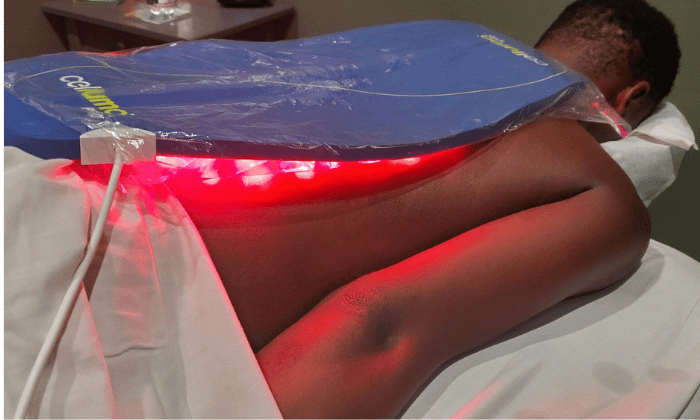
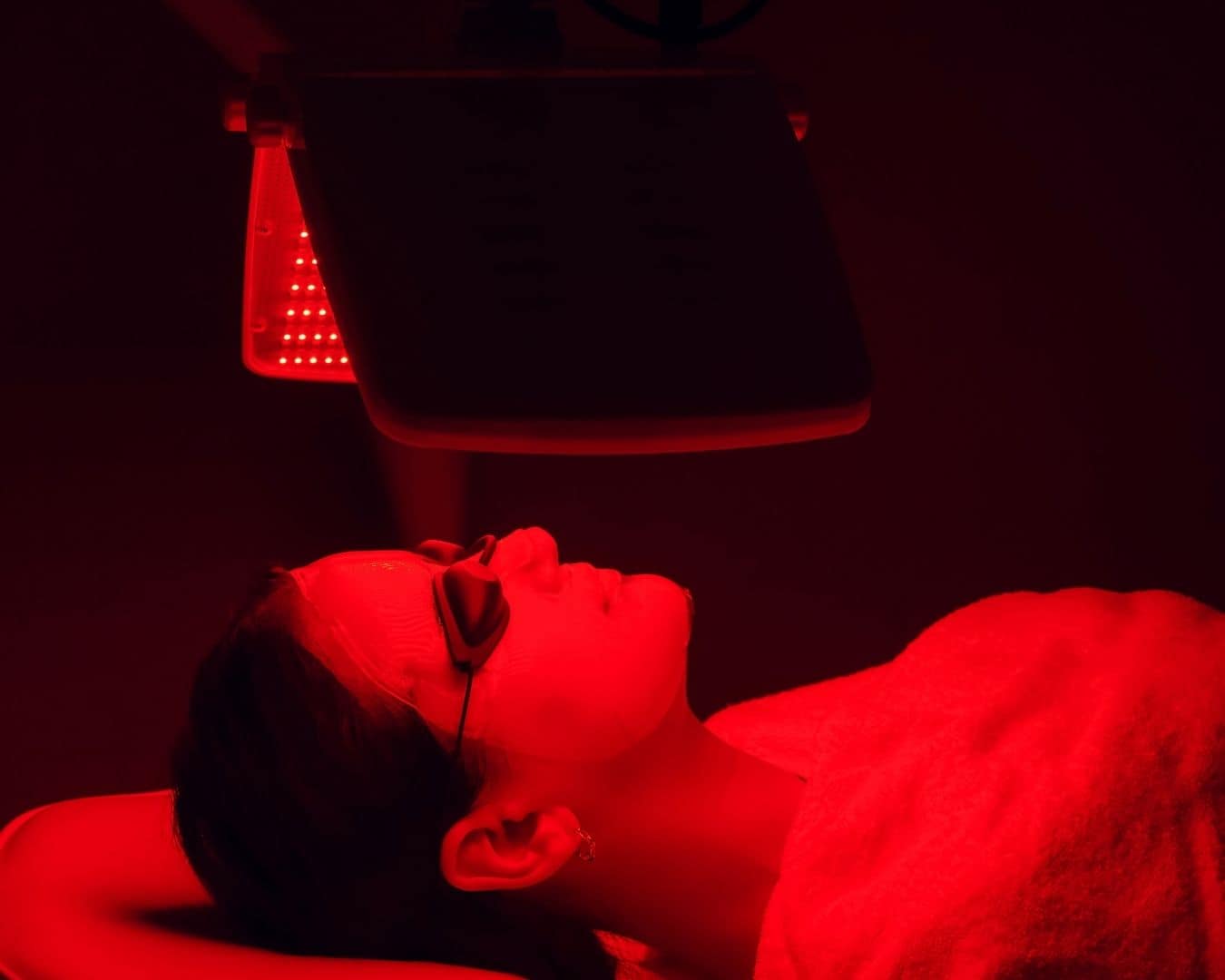
Red light therapy uses specific wavelengths of light to penetrate the skin and interact with cells. The goal is to support natural cellular processes involved in energy production and repair.
While research is ongoing, red light therapy is commonly used to:
- Support tissue recovery
- Promote circulation
- Ease muscle and joint discomfort
- Improve skin health
Many individuals with high-stress lifestyles appreciate red light therapy because it’s gentle, non-invasive, and relaxing—yet supportive of recovery and long-term wellness.
Quick Comparison Table
| Feature | Localized Cryotherapy | Red Light Therapy |
| Primary Effect | Reduces inflammation and numbs pain | Supports cellular repair and circulation |
| Sensation | Very cold, brief exposure | Warm, soothing light |
| Best For | Acute soreness or inflammation | Ongoing recovery and tissue support |
| Typical Session Length | Short (minutes) | 10–20 minutes |
| Ideal Use Frequency | As needed for flare-ups | Consistent sessions for cumulative effect |
Who May Benefit Most?
Localized cryotherapy and red light therapy can be helpful for:
- Athletes and fitness enthusiasts
- Busy professionals managing chronic stress
- Individuals with repetitive strain from work
- People recovering from minor injuries
- Anyone looking to optimize recovery and reduce discomfort
These treatments are not one-size-fits-all. Personal health history and goals matter.
How to Incorporate These Therapies Into Your Routine
If you’re considering adding cryotherapy or red light therapy to your wellness plan, follow this simple checklist:
Recovery Integration Checklist
- Define your goal (pain relief, faster recovery, stress reduction)
- Consult with an experienced practitioner
- Start with a structured treatment plan
- Track your symptoms and response over time
- Stay consistent—benefits often build gradually
- Combine with other recovery strategies (stretching, hydration, sleep, massage)
Consistency and personalization are key. Occasional sessions may feel good, but structured, guided plans tend to deliver more meaningful outcomes.
The Power of Personalized Care
A thoughtful environment and individualized treatment plan can significantly improve outcomes. Personalized protocols ensure the right modality, duration, and frequency are selected based on your specific needs.
A calming setting also matters. Recovery isn’t just physical—it’s neurological. When the nervous system feels safe and relaxed, the body is better positioned to heal.
Somatic Massage Therapy & Spa takes this whole-body approach seriously. Their tailored services are designed to help clients reduce pain, recover more effectively, and feel more balanced in their daily lives. By integrating localized cryotherapy, red light therapy, and therapeutic massage in a supportive environment, they focus on sustainable wellness rather than quick fixes. Learn more at somaticmassagepc.com.
Keeping Your Wellness Records Organized
When undergoing treatments like cryotherapy or red light therapy, keeping organized wellness records can help you track progress and make informed decisions. Saving session details, practitioner recommendations, and progress notes as PDFs ensures consistency across devices and makes it easier to share updates with healthcare providers if needed.
Using a reliable PDF editing tool can simplify the process of updating, organizing, and maintaining these records over time. Clear documentation supports continuity of care and helps you stay proactive about your recovery journey.
Helpful Resource for Recovery Education
For individuals interested in learning more about recovery science and evidence-based practices, the National Center for Complementary and Integrative Health (NCCIH) offers educational resources on complementary therapies and wellness approaches.
This resource provides balanced, research-informed information that can help you better understand different treatment options and make informed decisions about your care.
Frequently Asked Questions
Is localized cryotherapy safe?
When performed by trained professionals and used appropriately, localized cryotherapy is generally considered safe for most healthy individuals. A consultation is important to identify any contraindications.
How often should I use red light therapy?
Frequency depends on your goals and practitioner recommendations. Many people benefit from consistent sessions over several weeks.
Can I combine both therapies?
Yes. Many recovery plans use cryotherapy for acute discomfort and red light therapy for ongoing support.
Do these treatments replace medical care?
No. They are complementary approaches and should be integrated thoughtfully alongside professional medical advice when necessary.
A Short Closing Thought
Active and high-stress lifestyles demand more from the body than ever before. Localized cryotherapy and red light therapy offer supportive tools for recovery, pain relief, and whole-body balance. With consistent use, personalized planning, and guidance from experienced practitioners, these therapies can help you feel stronger, steadier, and more resilient in everyday life.