Here we’ve got two words that sound oddly compatible: wellness routine. Most people will imagine yoga mats, herbal teas, maybe a morning run, but fewer will think of standing still under a warm, crimson glow. Yet that’s exactly where our story starts. This light, unseen yet seen, travels subtly through skin cells all the way to mitochondria, telling them to wake up. Energy follows. People usually report clearer heads, steadier moods, and better sleeping patterns. It’s strange, maybe even a little bit futuristic, but it’s pretty real. And while it might seem like a gimmick, red light therapy carries an unexpectedly grounded science, one that fits neatly – almost surprisingly neatly – into any modern wellness routine. Let’s give it a look!
What is Red Light Therapy
Red light therapy. A simple name, really. It uses low-wavelength red light – yes, actual light – to stimulate cells. The process is called photobiomodulation, but that word feels heavy, so let’s keep it light. Here’s what happens: photons enter the skin and reach the mitochondria. Then something clicks. Energy rises, repair starts, and inflammation retreats. No heat, no pain, no drama – it’s just cells doing their work, but better. Some say it feels calming. Others might report it feels like standing under sunlight stripped of every harsh tone. However you choose to describe it, it works by reminding your body that it can still heal, still regenerate, still respond.

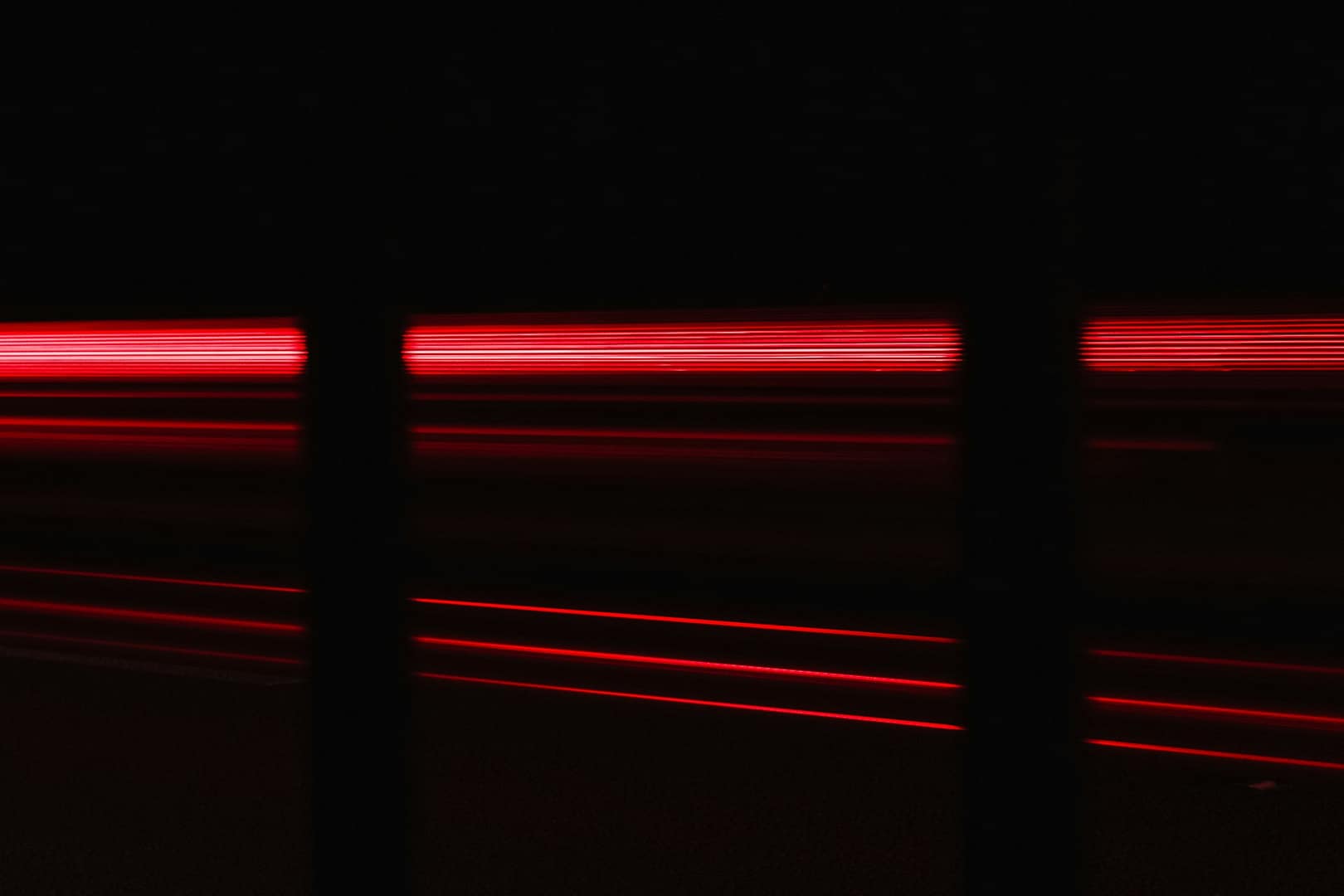
Most people report that red light therapy is a calming experience.
Alt. text: Lots of red lights against a black background.
Light, Recovery, and the Habit of Healing
The body’s always collecting experiences. Each experience leaves a trace – chemical, emotional, behavioral. Recovery asks us to rearrange these traces into something that’s more manageable. Whether the process is about managing stress, anxiety, or substance use, the goal is clear: stability. Many holistic approaches point to light exposure as a regulating force. In practice, this means red light therapy sessions can serve as grounding rituals – checkpoints of stillness that help organize the mind’s chaotic tendencies.
When people focus on building coping skills, habits tend to form from repetition. Red light, used daily or weekly, introduces a pattern, a rhythm. It steadies breathing, improves circulation, and may support serotonin regulation. These biological jumps support emotional clarity. And that’s essential for maintaining lasting recovery. Because consistency, even more than motivation, is what holds the structure together.
Cellular Reboots and Mental States
If we were to zoom into the cellular level, things would look like a cosmic dance. Light meets tissue; tissue converts light into biological energy. ATP (adenosine triphosphate) production increases.
The process might seem tiny, almost trivial, yet it will affect the entire system. Muscles and skin recover faster. Brain fog lifts a little. One study notes that recent progress in both animal and clinical research underscores the therapy’s potential for depression and emphasizes the need for more structured protocols to define its use. That’s scientist-speak for: okay, this might really work, but we still need to measure it properly.
Some clinics might use near-infrared variations that reach deeper tissues and possibly influence neurological repair. Others will focus on skin applications for acne, scars, or general tone improvement. Yet the mechanism remains the same: encourage the cells to breathe better. And when they do, everything else breathes better, too.
The Subtle Foundation of Routine
Routines carry hidden meanings. They show us what we prioritize, often more honestly than our words and how we speak them. Integrating light therapy into daily rhythm just needs some space and intention. A morning session before work, perhaps. Or an evening pause before bed. The light, after all, will do its work regardless of mood or schedule.
People often describe an unexpected calm that arrives with the red glow, as though the act of pausing under light trains patience. It becomes meditative. That’s just a part of its charm – its physical mechanism overlaps with an emotional one. When used regularly, it starts to reframe how we approach self-care: it makes it less of a chore.
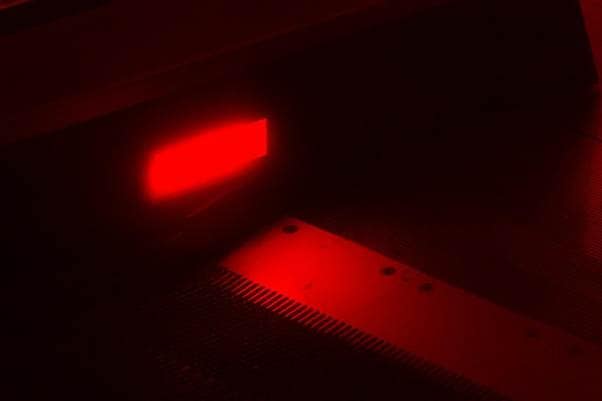
Red light therapy can help you build a routine.
Where Light Meets Intention
Every wellness practice has a starting point, a small choice that will set off a pattern. Choosing red light therapy is, of course, one such point. It’s something structured yet open-ended. The science is there, growing, luminous with possibility. The method feels both old as ancient times and ultra modern – light as medicine.
Some people use it alongside breathwork. Others might pair it with meditation, or journaling. The effect multiplies when these actions are coexisting; when they’re creating a feedback loop between the body and the mind. Even small routines – the kind that last ten minutes – help rewire internal systems to favor repair over fatigue.
The beauty of it lies in its simplicity. A device, a session, a few moments of stillness. The skin receives. The cells respond. The body adjusts. There’s something almost humble in how this process unfolds – no fireworks, no promises of instant transformation. Just gradual recalibration through consistent exposure to red light.
For people dealing with anxiety, chronic fatigue, or long recovery processes, this structure helps restore a sense of agency. It gives form to healing; it turns abstract wellness goals into visible, tangible practice. That’s a rare combination in modern health culture, where most remedies will arrive as ordinary instructions without texture. Light therapy, instead, glows with texture.
Closing the Circle
Red light therapy sits at that strange intersection between science and habit – measurable yet deeply personal. It blends into life with quiet efficiency, altering how energy moves, how thoughts settle, how skin and mind share the same pulse. And as the studies continue, its role in both physical and emotional health becomes clearer.
The practice offers a reminder that healing need not always be dramatic or abstract. Sometimes it’s just about showing up for a few minutes a day, under a steady glow, letting the cells remember what they were built for in the first place. That is where wellness and intention meet – under red light, within routine, with the body listening closely.