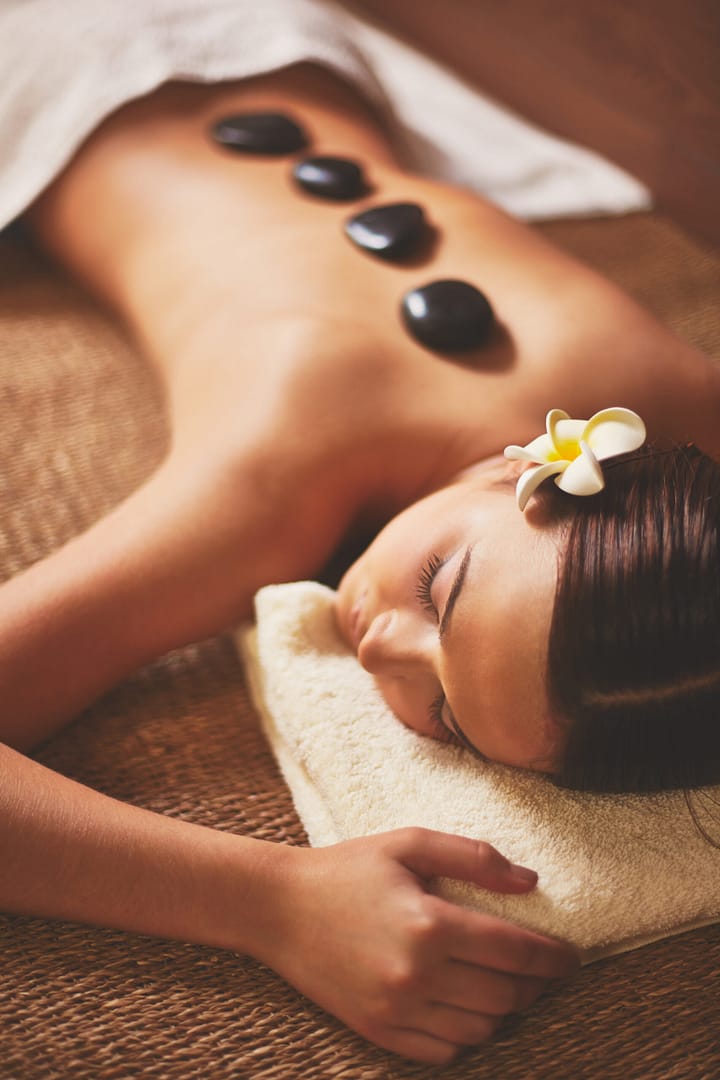
Your body talks to you constantly. However, most people ignore the messages until something breaks down completely. That nagging headache you’ve had for weeks? Your body is screaming for help. The stiff neck you can’t fully turn? Another desperate signal. Those nights lying awake despite exhaustion? Your body is literally begging for relief. Cryotherapy or Massage Therapy.
Recognizing the signs you need massage therapy early prevents small problems from becoming serious injuries or chronic conditions. Additionally, understanding these warning signals helps you realize that professional massage isn’t a luxury, it’s essential healthcare. Moreover, catching these signs early means faster relief and better long-term results.
Most people dismiss massage as something nice but unnecessary. “I don’t really NEED it,” they tell themselves while popping ibuprofen daily. However, if you’re experiencing any of the seven signs you need massage therapy listed below, your body is telling you otherwise. Furthermore, ignoring these signals often leads to bigger problems that require more intensive (and expensive) intervention later.
This guide breaks down the seven most common signs you need massage therapy that people overlook or rationalize away. You’ll discover why each symptom develops, how therapeutic massage specifically addresses it, and when to finally stop postponing professional care. Additionally, you’ll learn to distinguish between “feeling a bit tired” and actual signs your body desperately needs help.
Sign #1: Your Body Feels Constantly Tired & Heavy
Why This Happens
You’ve tried everything. Pain relievers barely touch the constant throbbing. Your doctor says your tests look fine. Yet the headaches persist daily or multiple times weekly. This represents one of the clearest signs you need massage therapy immediately. Do you wake up feeling tired even after sleeping? Do your muscles feel heavy, stiff, or slow throughout the day?Poor circulation, muscle tension, and inflammation can cause your body to feel constantly drained.
Cryotherapy helps stimulate blood flow while reducing inflammation, allowing your body to recover faster, feel lighter, and regain energy.
Massage therapy further supports this by releasing tight muscles and improving circulation throughout the body. Leaving you feeling more energized, refreshed, and mentally clear after treatments.
Furthermore, poor circulation from tense muscles reduces oxygen flow to your brain. This oxygen deficit contributes to headache intensity and frequency. Moreover, the constant muscle tension creates a vicious cycle—pain causes more tension, which causes more pain.
How Cryotherapy & Massage Therapy Helps
Therapeutic massage addresses headache root causes rather than just masking symptoms. Skilled therapists release trigger points in your neck, shoulders, and scalp that generate referred head pain. Additionally, massage restores proper circulation, delivering fresh oxygen to oxygen-starved tissues.
Specific techniques, such as myofascial release, target the tight fascia that contributes to tension headaches. Furthermore, craniosacral therapy can address migraine patterns. Cryotherapy can target stubborn pain. Regular sessions retrain your muscles to release instead of constantly gripping. Therefore, many people find their chronic headaches disappear completely after consistent treatment.
When to Book
If you’re experiencing headaches three or more times weekly, this is a critical sign you need massage therapy now. Additionally, if over-the-counter pain relievers have become a daily habit, your body needs better solutions. Book a consultation to address the underlying muscle tension causing your pain.
Sign #2: You’re Struggling With Stubborn Weight or Body Fat
Why This Happens
Stubborn body fat often develops when the body’s metabolism slows down or when circulation and lymphatic drainage become less efficient. Long hours of sitting, stress, hormonal changes, and limited physical activity can make it harder for the body to break down and eliminate stored fat. In some cases, the body also begins to retain fluid and toxins, which can lead to bloating and areas of fat that feel resistant to diet and exercise.
Cryotherapy helps stimulate circulation and metabolic activity, encouraging the body to work harder to regulate its temperature. This process may help activate fat metabolism and support the body’s natural fat-burning processes, making cryotherapy treatments a useful addition to weight management and body sculpting routines.
Sometimes exercise and diet alone aren’t enough to address stubborn fat areas , especially around the stomach, thighs, arms, or back.
Cryotherapy can support fat metabolism and body sculpting by exposing targeted areas to cold temperatures, which may encourage the body to burn energy and activate fat cells.
Combined with massage therapy, this can help:
- Boost circulation
- Support lymphatic drainage
- Reduce bloating
- Assist with body contouring
Many people incorporate cryotherapy into their wellness routine to support their weight-loss and body-shaping goals.
The restriction often starts mild, barely noticeable difficulty with certain movements. However, left untreated, the tightness increases until you’ve lost significant mobility. Furthermore, this compensation pattern forces other body areas to overwork, creating new problems elsewhere. Read more to find out about cryotherapy in more detail.
When to Book
If you have been exercising and maintaining a healthy diet but still struggle with stubborn areas of fat, it may be a good time to consider cryotherapy treatments as part of your wellness routine. Many people turn to cryotherapy when they notice that certain areas of the body, such as the stomach, thighs, arms, or lower back, are resistant to traditional weight-loss methods. These areas often require additional support to improve circulation, reduce inflammation, and encourage the body’s natural fat-metabolism processes.
Cryotherapy can also be helpful if you experience frequent bloating, fluid retention, or slow recovery after workouts. By stimulating circulation and supporting lymphatic drainage, cryotherapy sessions can help the body feel lighter and more balanced.
For individuals who are actively working toward body-sculpting goals, booking regular cryotherapy sessions may support improved recovery and help maintain momentum in a fitness routine.
While cryotherapy is not a replacement for exercise or healthy nutrition, it can complement a balanced lifestyle by helping the body recover, regulate inflammation, and support metabolic activity.
If you are beginning a fitness program, struggling with stubborn fat areas, or simply looking to enhance your body-wellness routine, scheduling a cryotherapy consultation with one of our trained therapists will help determine the best treatment plan for your goals.
Sign #3: Your Your Skin Looks Dull or Tired
Why This Happens
Skin can start to appear dull or tired when circulation slows down and the body experiences inflammation, fatigue, or stress. When blood flow is limited, fewer nutrients and less oxygen reach the skin cells, which can lead to uneven tone, puffiness, and a loss of natural glow.
Lifestyle factors such as stress, lack of sleep, dehydration, and environmental exposure can also affect the skin’s ability to regenerate and repair itself. Over time, this may result in tired-looking skin that lacks elasticity and vibrancy.
Cryotherapy helps stimulate circulation and reduce inflammation, allowing fresh oxygen and nutrients to reach skin cells more efficiently. This improved circulation can help support the skin’s natural repair processes, leaving the complexion looking brighter, firmer, and more refreshed.
How Cryotherapy Addresses Problems
Therapeutic massage literally retrains your nervous system to downshift into relaxation mode. Cryotherapy is not only used for muscle recovery and inflammation — it is also increasingly popular in the beauty and cosmetic wellness industry. Many people choose cryotherapy treatments because they support circulation, skin health, and overall rejuvenation.
Cold therapy stimulates blood flow, allowing oxygen and nutrients to reach the skin more efficiently. This process can help improve the overall appearance and texture of the skin, leaving it looking brighter and more refreshed.
Regular cryotherapy sessions may help promote:
- Brighter, healthier looking skin
- Reduced puffiness and inflammation
- Firmer-looking skin
- Improved circulation to skin cells
Because of these benefits, clients who have seen the best results incorporate cryotherapy into cosmetic treatments to improve skin vitality and glow.
When to Book
When your skin doesn’t reflect the amazing person you are and instead reflects the tiredness,stresses and challenges you experience,cryotherapy and therapeutic massage can help. Don’t let life, being overworked, and sleep deprivation continue damaging your skin when treatment is available.
Sign #4: You Experience Frequent Body Aches or Muscle Tension
Why This Happens
This is the sign you need massage therapy that most people completely miss. You snap at your family over tiny things. Small frustrations feel overwhelming. Alternatively, you feel emotionally flat—nothing brings joy anymore. You’ve probably been told to “reduce stress” or “practice self-care,” but nothing helps.
Here’s what nobody tells you: chronic muscle tension holds emotional stress. Your body literally stores unprocessed emotions in your tissues through a phenomenon called somatic holding. The shoulders you’ve been unconsciously tensing for months aren’t just tight muscles—they’re holding months of stress, anxiety, and unexpressed emotions.
Additionally, constant physical discomfort keeps your nervous system in high alert. This vigilance exhausts your emotional regulation capacity. Furthermore, the pain-stress-tension cycle depletes the neurotransmitters that regulate mood. Therefore, you become irritable, anxious, or emotionally numb not because you’re weak, but because your body is overwhelmed.
How A Cryotherapy Massage Releases Tension
Therapeutic massage—particularly somatic approaches—helps your body release stored emotional tension. As chronic muscle tension releases, the emotions held in those tissues can surface and process. Many people experience emotional releases during massage (tears, deep sighs, sudden relaxation). This isn’t weakness; it’s healing.
Additionally, massage increases serotonin and dopamine—neurotransmitters crucial for emotional regulation and happiness. The treatment also lowers cortisol, reducing the constant stress response wearing you down. Furthermore, regular sessions help your body learn that safety and relaxation are possible.
At Somatic Massage Therapy & Spa in Floral Park, our therapists specialize in trauma-informed, somatic approaches that honor the body-mind connection. We understand that tight shoulders aren’t just physical—they often carry emotional weight too. Therefore, our treatments address both the physical tension and the emotional holding creating your irritability or numbness.
When to Book for Cryotherapy Treatment
If your emotional state has changed significantly—increased irritability, anxiety, or emotional flatness—and you can’t identify clear external causes, this critical sign you need massage therapy requires immediate attention. Additionally, if you’re already in therapy or taking medication but still struggling, massage can provide the somatic component missing from talk therapy alone.
Sign #5: You Struggle With Stress or Poor Sleep
Why This Happens
Many people underestimate how stress and tension affect the body. When the nervous system is constantly on alert due to stress, the body holds physical tension in muscles, shoulders, and the back. Over time, this tension can interfere with sleep, emotional balance, and overall wellness. Cryotherapy, combined with massage therapy, is increasingly used not just for physical recovery but also for emotional rejuvenation and relaxation.
Chronic stress can leave you feeling fatigued, anxious, or emotionally flat. Sleep may be disrupted, and your body may struggle to enter the deep rest needed for recovery. Cryotherapy sessions help the body by stimulating circulation and reducing inflammation, while also triggering the release of endorphins that naturally improve mood and support relaxation. Massage therapy complements this by helping muscles release tension and retraining the nervous system to enter a calm, parasympathetic state.
Cryotherapy When You Struggle With Stress or Sleep
Stress and muscle tension are closely linked. When your body experiences emotional or mental stress, muscles respond by contracting and guarding, often without you realizing it. Over time, tight muscles can store these stress patterns, contributing to chronic aches and a feeling of heaviness. Poor sleep, overworking, and lifestyle pressures only reinforce this cycle, making it harder to relax or recover naturally.
Additionally, restricted circulation and inflammation caused by tight muscles can amplify fatigue and discomfort, leaving your body in a constant state of alert. Over time, this can contribute to irritability, low energy, and poor sleep quality.
Cryotherapy works by sending controlled cold signals to the body, which help reduce inflammation, improve blood flow, and activate endorphin release. This helps both the physical body and nervous system reset toward a calmer, more rested state.
When to Book
If you atruggle with sleep or fatigue without medical cause, consider this important sign you need massage therapy. If you notice persistent fatigue, disrupted sleep, or feelings of emotional tension that don’t improve with rest, it may be time to schedule cryotherapy treatments. Cryotherapy is ideal for anyone looking to improve recovery, reduce stress-related tension, or support better sleep naturally.
Pairing cryotherapy with regular massage therapy provides a full-body reset. While cryotherapy reduces inflammation and stimulates circulation, massage releases muscle tension and improves flexibility. Together, these treatments help the body recover more quickly, support emotional balance, and encourage better overall wellness.Additionally, if your symptoms worsen during stressful periods, the mind-body connection suggests massage could help. Schedule a consultation to discuss how therapeutic bodywork might address your seemingly unrelated digestive problems.
Sign #6: You Injured Yourself 6+ Months Ago and Still Have Pain
Why This Happens
That ankle sprain from eight months ago still aches. Your shoulder injury from last year never fully healed. You’ve done physical therapy, taken anti-inflammatories, and rested appropriately. Yet pain persists. This represents a crucial sign you need massage therapy to address compensation patterns and scar tissue.
When you injure an area, surrounding muscles compensate to protect it. However, these compensation patterns often persist long after the initial injury heals. Additionally, scar tissue from the injury can create adhesions that restrict movement and cause ongoing pain. Moreover, you’ve probably developed new movement patterns that stress other body areas.
Furthermore, the nervous system sometimes gets “stuck” sending pain signals even after tissue healing completes. This phenomenon, called chronic pain sensitization, means your brain continues to perceive threat and pain even when the actual injury has resolved.Cryotherapy in targeted areas helps ease this pain effectively.
How Massage and Cryotherapy Addresses Lingering Injury Pain
Therapeutic massage breaks up scar tissue and adhesions preventing full healing. Specific techniques like myofascial release address the fascial restrictions limiting your movement. Additionally, massage retrains compensation patterns, helping your body return to natural, balanced movement.
Furthermore, skilled bodywork can help reset the nervous system’s pain response. As your body experiences safe, comfortable movement again, the brain learns to turn down inappropriate pain signals. Regular sessions support complete healing that initial injury treatment didn’t achieve.
When to Book
If you’re still experiencing pain six months or more after an injury, this clear sign you need massage therapy shouldn’t be ignored. Additionally, if you’ve completed physical therapy but plateaued before full recovery, massage can provide the missing piece. Don’t accept ongoing pain as your new normal when treatment options exist.
Sign #7: You Can’t Remember the Last Time You Felt Relaxed
Why This Happens
You’re constantly wound tight. Your shoulders live up by your ears. Your jaw stays clenched. Even on vacation, you can’t truly relax. This persistent state of tension is perhaps the most significant sign you need massage therapy because it indicates your nervous system is stuck in stress mode.
Modern life keeps most people in constant low-level stress. Work deadlines, family responsibilities, financial concerns, and information overload create unrelenting pressure. Your body responds by staying in protective mode constantly. Additionally, the longer you stay in this state, the harder it becomes to shift out of it.
Furthermore, when chronic tension becomes your baseline, you forget what true relaxation feels like. Your nervous system loses the ability to downshift naturally. Moreover, this constant stress state damages your health systemically—affecting everything from immunity to cardiovascular health to mental wellbeing.
How Regular Massage Retrains Your System
Therapeutic massage literally teaches your body how to relax again. The treatment activates relaxation responses your system has forgotten how to trigger independently. Additionally, as chronic muscle tension releases, your nervous system learns that safety and ease are possible.
Regular sessions create new neural pathways for relaxation. Your body begins remembering this state and accessing it more easily outside of appointments. Furthermore, the cumulative effects of consistent massage help reset your baseline from “constantly stressed” to “generally calm.”
When to Book
If you genuinely can’t remember the last time you felt relaxed—truly relaxed, not just distracted from stress—this fundamental sign you need massage therapy demands attention. Additionally, if people frequently tell you to “relax” or “calm down,” your external tension is showing. Schedule regular appointments to help your nervous system relearn relaxation.
Advanced Solution: Cryotherapy for Stubborn Injury Pain
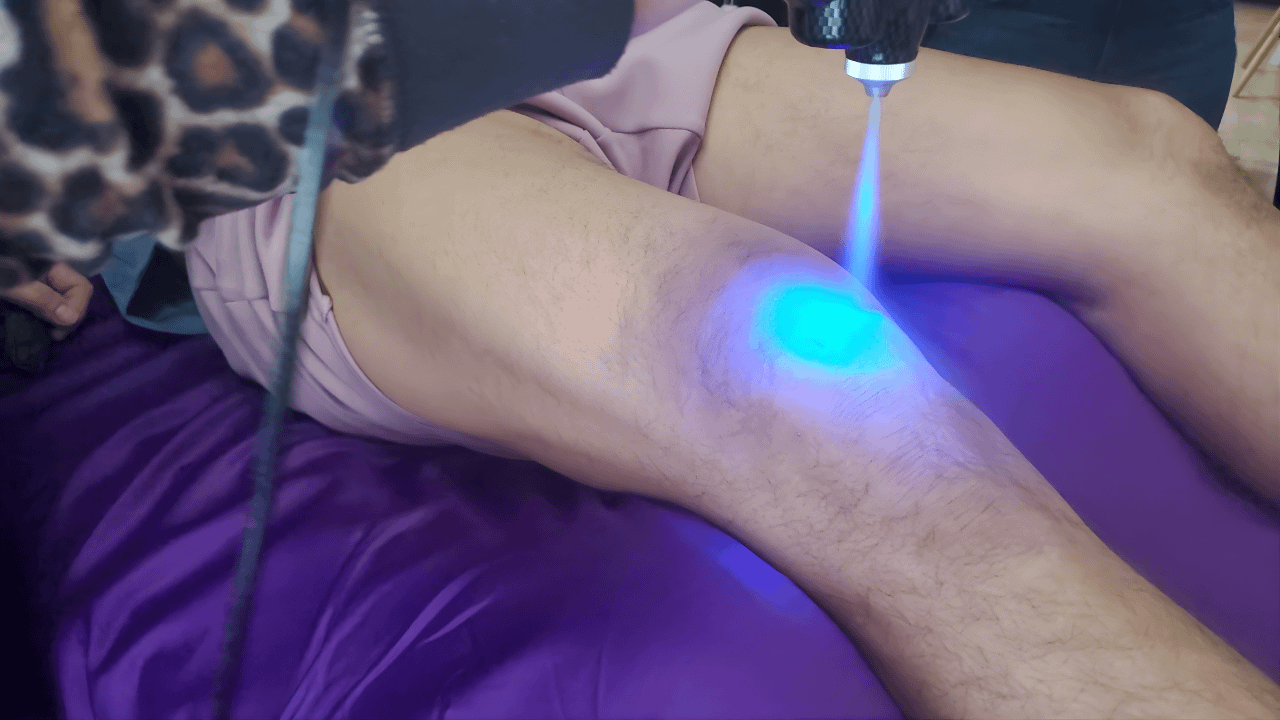
Additionally, for chronic injury pain that won’t resolve with traditional methods, cryotherapy in Floral Park treatments at Somatic Massage Therapy & Spa offer powerful targeted cold therapy. The precision cryo machine focuses extreme cold directly on your problem area—whether it’s that stubborn knee, persistent shoulder pain, or ankle that never fully healed.
Cryotherapy Floral Park sessions reduce inflammation at the cellular level, far more effectively than ice packs ever could. The extreme cold (-200°F to -300°F) penetrates deep into tissues, breaking up scar tissue and reducing swelling that keeps pain cycling. Moreover, many clients find that combining massage therapy with cryotherapy Floral Park treatments produces breakthrough results when either alone wasn’t enough.
“I’d been dealing with a shoulder injury for over a year,” shares one local client. “Physical therapy helped but I plateaued at about 70% recovery. Adding targeted cryotherapy to my massage sessions finally got me to 100%.” The treatments work synergistically—massage releases muscle tension and restrictions while cryotherapy Floral Park sessions address deeper inflammation and accelerate tissue healing.
Sessions take just minutes, making it easy to add to your existing massage appointments. The targeted approach means we treat exactly where you hurt, not your whole body. Therefore, if you’ve tried everything for that lingering injury and still have pain, cryotherapy Floral Park might be the missing piece in your recovery puzzle. Call 516-686-9557 to discuss combining these powerful modalities for complete healing.
Why Somatic Massage Therapy & Spa in Floral Park
If you’re recognizing multiple signs you need massage therapy in this article, you’re probably wondering where to start. At Somatic Massage Therapy & Spa in Floral Park, we specialize in therapeutic massage that addresses the root causes of your symptoms—not just temporary symptom relief.
Our location near the Floral Park LIRR station makes professional care accessible for busy Nassau County residents. Additionally, we’re just 1.5 miles from Long Island Jewish Medical Center, convenient for Northwell Health employees experiencing work-related stress and tension. Our experienced therapists understand the specific challenges facing local professionals, parents, and healthcare workers.
What sets us apart? We don’t just treat bodies—we recognize the mind-body connection. Our somatic approaches honor how emotional stress manifests physically. Therefore, when you’re experiencing signs you need massage therapy like irritability, sleep problems, or persistent tension, we address both the physical and emotional components.
“I was impressed with the professionalism,” shares client Maria Anagnos. “Somatic Massage Therapy creates a very serene and relaxing environment with soft spoken staff.” This calm, professional atmosphere helps your nervous system finally downshift from constant stress mode. Moreover, our commitment to your healing journey means we’re partners in your wellness, not just service providers.
Call 516-686-9557 or book here to schedule your consultation. Whether you’re experiencing one sign or all seven, our team will create a personalized treatment plan addressing your specific needs. Don’t wait until symptoms become unbearable—early intervention produces faster, more complete results.
Taking Action: What to Do If You Recognize These Signs
Don’t Wait for Crisis
The biggest mistake people make with these signs you need massage therapy is waiting until they’re unbearable. Small problems become big problems when ignored. Additionally, the longer you’ve held chronic tension, the longer it takes to fully release. Therefore, addressing symptoms early saves both time and discomfort.
If you recognized yourself in one or two signs, consider monthly maintenance massage. This prevents issues from worsening while supporting overall wellness. However, if you’re experiencing three or more signs, weekly or bi-weekly sessions provide the intensive support your body needs right now.
Communication Is Key
When you book your first appointment, communicate honestly about all symptoms you’re experiencing. Don’t assume something is “too minor” to mention. Your chronic headaches, poor sleep, and digestive issues might seem unrelated, but they often stem from the same root cause—chronic stress and muscle tension.
Additionally, tell your therapist what you’ve already tried. This information helps them understand what hasn’t worked and why. Furthermore, mention any injuries, health conditions, or medications. Comprehensive information ensures safe, effective treatment tailored to your specific situation.
Consistent Cryotherapy & Massage Therapy Create Results
One massage feels wonderful but doesn’t fix chronic problems. The signs you need massage therapy and cryotherapy, listed in this article developed over months or years. Therefore, resolving them requires consistent care over time. Think of massage as physical therapy for your nervous system and muscles; regular sessions create cumulative healing.
Many clients notice improvements after just 2-3 sessions. However, lasting change typically requires 6-10 weekly sessions initially, then maintenance visits to preserve results. Your therapist will recommend frequency based on your specific symptoms and how your body responds to treatment.
Conclusion: Listen to Your Body Before It Screams
Your body has been whispering for a while. The signs you need massage therapy don’t appear overnight—they build gradually as your way of coping stops working. That headache you dismiss as “just stress”? Your body pleading for help. The neck you can’t turn fully? A desperate signal you’re ignoring. The emotional numbness or irritability? Your nervous system waving red flags.
The seven signs covered in this article represent your body’s increasingly urgent communication. Additionally, recognizing these signals early prevents minor dysfunction from becoming serious health issues. Moreover, understanding that these symptoms respond to therapeutic massage empowers you to take action instead of just suffering.
You deserve to feel good in your body. Additionally, you deserve to sleep well, move freely, and experience emotional balance. Furthermore, professional massage therapy isn’t luxury for people who have everything together—it’s essential healthcare for people dealing with real life stress and physical demands.
Stop rationalizing away the signs you need massage therapy. Your body knows what it needs. Moreover, ignoring these signals won’t make them disappear—it just allows them to intensify. Therefore, the question isn’t whether you need professional massage, but when you’ll finally give your body the support it’s been begging for.
Experiencing any of these seven signs? Call Somatic Massage Therapy & Spa at 516-686-9557 today. Our Floral Park location serves Nassau County residents with professional, therapeutic massage addressing the root causes of your symptoms. Because your body shouldn’t have to scream before you finally listen. Book your consultation now—your body has been waiting long enough.
Frequently Asked Questions
How do I know if I really need a professional massage or if I’m just being dramatic? If you’re experiencing symptoms that interfere with daily life—chronic pain, poor sleep, emotional changes, or restricted movement—you need professional help. These aren’t signs of being dramatic; they’re your body signaling dysfunction. Trust what you’re feeling.
How many sessions will I need to see improvement? Most people notice some improvement after 2-3 sessions. However, long-standing issues typically require 6-10 weekly sessions for significant change, followed by maintenance visits. Your specific timeline depends on symptom severity and how long you’ve been experiencing them.
Will massage hurt if I’m already in pain? Therapeutic massage should never be unbearably painful. You may experience some discomfort as tight muscles release, but this differs from sharp pain. Good therapists work within your tolerance, adjusting pressure as needed.Same applies to cryotherapy. Communication during treatment ensures comfort.
Can massage really help emotional issues or is that just hype? The body-mind connection is scientifically validated. Chronic muscle tension literally holds emotional stress. Additionally, massage affects neurotransmitters and hormones that regulate mood. While not a replacement for mental health treatment, therapeutic and cryotherapy bodywork provides crucial somatic support.
What if I’ve tried massage before and it didn’t help? Not all massage is therapeutic. If previous experiences focused on relaxation rather than addressing root causes, that explains why symptoms persisted. Additionally, consistency matters—one session rarely resolves chronic issues. Find a therapist specializing in therapeutic work along with cryotherapy and commit to regular sessions.
How soon should I book if I recognize these signs? If you’re experiencing multiple signs, book within the week. If symptoms are interfering significantly with life quality, book immediately. Early intervention prevents worsening and produces faster results. Don’t wait for symptoms to become unbearable before seeking help.