Hormones guide many body processes and affect daily health. These chemical messengers travel through the bloodstream and send signals to organs and tissues. They influence mood, sleep quality, metabolism, and energy levels. Estrogen and progesterone regulate reproductive cycles and menstrual patterns. Cortisol controls the body’s stress response and energy use. Insulin manages blood sugar and metabolic activity. Hormonal shifts appear during puberty, menstruation, pregnancy, and menopause. Each stage changes how the body feels and functions. As a matter of fact, hormonal balance in women influences sleep patterns, digestion, mood stability, and mental focus. Massage therapy supports relaxation and stress control. These effects help the body maintain a healthier hormonal balance through improved circulation and a calmer nervous system.
How Massage Therapy Influences Hormone Activity
Massage affects hormones through both physical touch and relaxation. Skilled techniques improve blood flow, delivering oxygen and nutrients to organs. For example, increased circulation supports endocrine glands, which produce hormones. Massage lowers cortisol, the stress hormone, which helps balance hormone patterns. It also encourages serotonin and dopamine production, chemicals that improve mood and sleep. On the other hand, tight muscles can send stress signals that interfere with hormone communication. Massage releases tension, calms the nervous system, and promotes relaxation. Over time, women experience steadier energy, better sleep, and improved mental clarity. Regular massage helps the body maintain healthy hormone signals while reducing stress and physical discomfort.
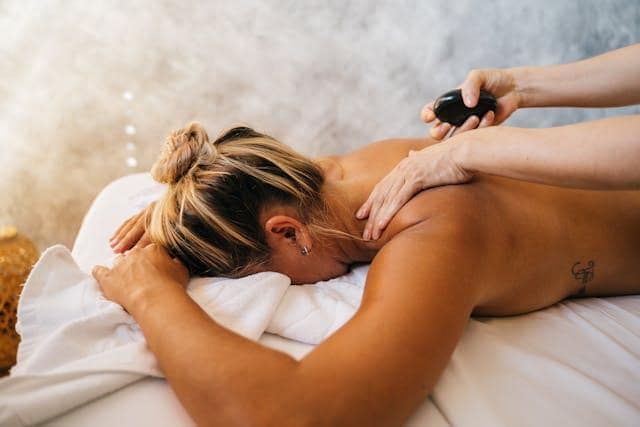
Massage improves circulation, reduces stress hormones, and supports healthy communication between the nervous and endocrine systems.
Physical Effects of Massage on Hormonal Wellness
Massage improves physical functions that support hormone health. Pressure techniques enhance circulation, sending nutrients and oxygen to tissues. Similarly, improved blood flow supports glands that regulate hormones. Relaxed muscles reduce inflammation and improve comfort. Better sleep and recovery also help stabilize hormones. Massage stimulates the lymph flow, which removes toxins and waste from the body. Circulation boosts organ function and hormone communication. Women report fewer headaches, less fatigue, and better energy after regular sessions. Muscle relaxation and improved blood flow work together to maintain hormone balance. Over time, the body functions more efficiently, supporting steady hormone activity and overall wellness through consistent massage and healthy lifestyle habits.
Emotional Wellness and Hormonal Stability
Emotions strongly affect hormone patterns and energy. Stress triggers cortisol release and increases tension, disrupting sleep and mood. However, massage helps calm the nervous system and lower stress hormones. Gentle touch encourages deep breathing and relaxes tight muscles. As a result, mood improves, sleep stabilizes, and mental focus becomes sharper. A calm nervous system communicates better with hormone-producing glands. Over time, emotional stability strengthens hormonal balance in women. Consistent massage sessions reduce anxiety and tension while boosting energy. Relaxation improves overall hormone regulation. These practices support steadier moods, better sleep, and stronger daily energy. Massage becomes part of a broader wellness plan that balances both emotional and physical health.
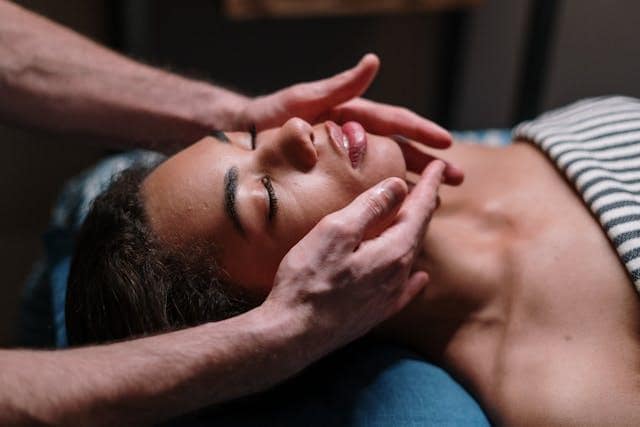
Reducing stress and improving mood through massage helps support emotional health and hormonal balance in women.
The Link Between Body Chemistry, Stress, and Hormones
Hormonal health depends on many connected systems in the body. The nervous system, endocrine system, and stress response work together every day. These systems control hormone release, energy use, sleep patterns, and mood stability. Long periods of stress increase cortisol and disturb the hormonal balance. Poor sleep, high workload, and unhealthy habits can worsen the imbalance. Some medical conditions also affect hormone signals and body chemistry. Supportive wellness practices help restore internal stability. Understanding and supporting the body’s internal chemistry forms a critical step towards holistic healing and long-term wellness. Balanced body chemistry supports steadier hormone activity and emotional health. Massage therapy supports relaxation and lowers physical tension. It also encourages better circulation and a calm nervous system.
Massage Support During Hormonal Life Stages
Hormone levels change during key life stages. Puberty triggers hormonal development and physical changes. Menstrual cycles create monthly hormone fluctuations affecting energy and mood. Pregnancy shifts estrogen and progesterone. It changes circulation and muscle tension. Menopause reduces estrogen and affects sleep and temperature regulation. At the same time, stress often increases during these stages. Massage eases muscle tension, improves circulation, and reduces discomfort. Consequently, many women feel less fatigue, fewer cramps, and better overall comfort after regular sessions. Relaxation also improves nervous system function. Consistent massage helps the body handle hormone changes more smoothly. Emotional stability improves alongside physical comfort. Women can maintain steadier hormone levels and better overall health throughout each life stage.

Massage helps women manage physical and emotional discomfort during life stages that involve hormonal changes.
Building a Holistic Routine for Hormonal Wellness
Healthy routines support hormone balance and overall body function. Research shows up to 80% of women may suffer from some form of hormonal imbalance in their lifetime. Nutrition, exercise, sleep, and relaxation all influence hormone signals. Balanced meals help blood sugar stay steady. Regular exercise improves metabolism and energy. Massage reduces muscle tension and lowers stress hormones. For this reason, combining massage with other wellness practices strengthens hormonal health. Relaxed muscles and improved circulation support gland function. Stress management helps the nervous system communicate with hormones efficiently. Regular massage also improves sleep and mood. Over time, these habits strengthen resilience against stress. Women experience steadier energy, calmer emotions, and better overall health. A consistent, holistic routine supports physical comfort, emotional well-being, and long-term hormone balance.
How Massage Supports Hormonal Balance in Women
Massage supports hormones by calming the nervous system and easing tension. Relaxation lowers cortisol. It helps maintain hormone stability. Improved circulation supports endocrine glands and hormone signaling. Regular sessions improve sleep, energy, and mood. Massage also supports digestion and metabolism. Then again, combining massage with healthy habits gives stronger results. Women notice steadier moods, better energy, and reduced discomfort. Stress relief through massage strengthens natural hormone regulation. Over time, consistent relaxation helps maintain. Massage is more than relaxation—it actively supports long-term physical, emotional, and hormonal health for women of all ages.
Promoting Wellness Through Massage
Maintaining hormonal balance in women improves with regular care and stress management. Massage helps by easing muscle tension and improving blood flow. In short, it supports better sleep, steadier moods, and calmer nerves. Combined with healthy habits, massage helps the body stay balanced and feel healthier every day.