
If you’ve ever had a knot in your shoulder that just won’t quit, or lower back tightness that seems to come back no matter how much you stretch, you already know that not all muscle tension responds to light touch. Some tension lives deep — in the connective tissue, in muscle fibers that have been overworked or under-recovered for months, sometimes years. That’s where deep tissue massage comes in.
Deep tissue massage is a therapeutic technique built specifically to reach the deeper layers of muscle and fascia that a lighter, more relaxation-focused massage simply can’t access. It’s slower, more targeted, and more firm — and for people dealing with chronic tightness, old injuries, or muscle tension from repetitive strain, it’s often the treatment that finally makes a lasting difference.
What Is Deep Tissue Massage, Exactly?
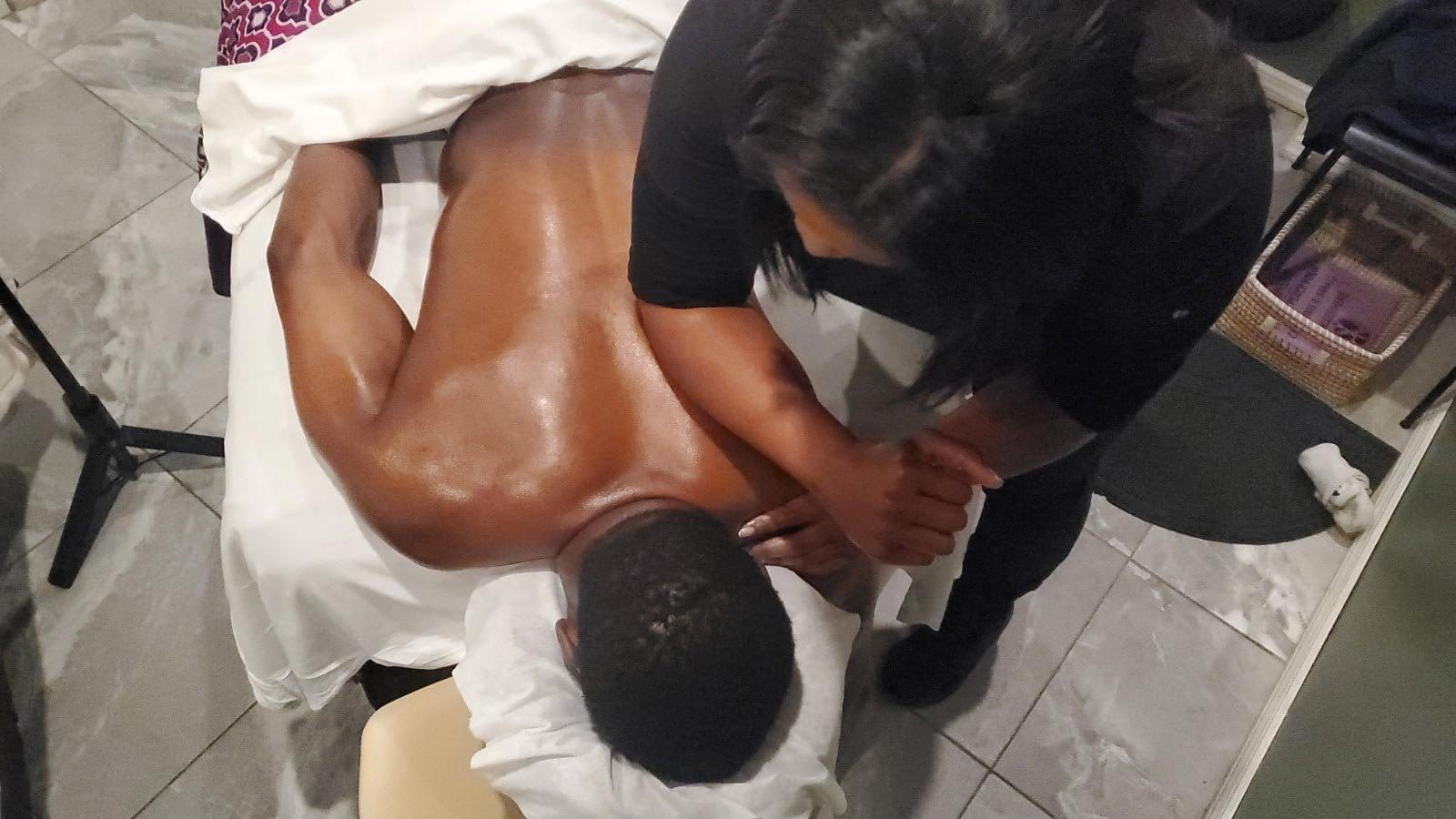
Deep tissue massage uses slow strokes and firm, sustained pressure to reach the deeper layers of muscle, tendons, and fascia (the connective tissue surrounding muscles). Rather than gliding quickly across the surface, your therapist works methodically, often following the direction of muscle fibers to release adhesions — the “knots” that form when muscle fibers stick together after injury, overuse, or prolonged tension.
This isn’t about applying maximum pressure everywhere. Skilled deep tissue work is targeted: your therapist identifies specific areas of restriction and works through them layer by layer, checking in on your comfort level along the way. The goal isn’t to overwhelm the muscle — it’s to methodically release tension that’s been built up over time.
Who Benefits Most from Deep Tissue Massage
Deep tissue massage tends to be most effective for people dealing with:
- Chronic muscle tension, especially in the neck, shoulders, upper back, and lower back
- Postural strain from long hours at a desk, driving, or repetitive movement
- Old injuries that never fully resolved and left behind stiffness or scar tissue
- Athletic overuse, including tight hamstrings, calves, or shoulders from consistent training
- Limited range of motion caused by tightness rather than a structural issue
- Stress-related tension that has become physically embedded rather than just surface-level tightness
If you find that a lighter massage feels good in the moment but the tightness returns within a day or two, that’s often a sign the tension is sitting deeper than surface-level work can reach — which is exactly what deep tissue massage is designed to address.
What Actually Happens During a Session
The conversation comes first. Before any hands-on work begins, your therapist will ask about problem areas, pain levels, and any relevant history — old injuries, surgeries, or areas that are particularly sensitive. This isn’t a formality; it directly shapes how the session is approached.
Warm-up matters. Even in a deep tissue session, your therapist typically starts with lighter strokes to warm the muscles before applying deeper pressure. Going straight into intense pressure on cold muscle tissue is both less effective and less comfortable.
Pressure builds gradually. As the muscle warms and softens, your therapist increases pressure and works more specifically into areas of restriction. This is where the technique differs most from a relaxation massage — expect firm, focused pressure rather than broad, gliding strokes.
Communication throughout is normal and encouraged. Deep tissue work should feel like productive, therapeutic pressure — not sharp or unbearable pain. A good therapist will regularly check in and adjust based on your feedback. There’s a real difference between “this is intense but I can breathe through it” and “this hurts too much,” and you should always feel comfortable speaking up.
Some soreness afterward is common. Similar to how muscles feel after a solid workout, it’s normal to feel some tenderness for a day or two following a deep tissue session, especially if it’s your first time or it’s been a while since your last one. This typically fades quickly and is often followed by a noticeable reduction in the original tightness.
Deep Tissue vs. Swedish Massage: What’s the Difference?
It’s a common question, and the distinction matters for choosing the right treatment. Swedish massage uses lighter, broader strokes and is primarily focused on relaxation, circulation, and general stress relief. Deep tissue massage uses slower, more concentrated pressure aimed at specific areas of chronic tension or restriction. Many clients actually benefit from a combination — using Swedish techniques to warm up the body and promote circulation, then shifting into deep tissue work for targeted problem areas. If you’re not sure which is right for you, your therapist can help determine the best approach during your intake conversation.
Tips for Getting the Most Out of Your Session
- Hydrate before and after. Deep tissue work releases tension and metabolic waste from the muscles; drinking water helps your body process that more comfortably.
- Communicate pressure preferences early. Don’t wait until a technique is uncomfortable to say something — speak up as soon as you notice pressure that feels like too much.
- Give your body time afterward. Light stretching, a warm shower, or simply resting can help extend the benefits of the session.
- Be consistent if tension is chronic. One session can bring meaningful relief, but long-standing tension often responds best to a series of sessions spaced a few weeks apart.
When to Consider Pairing Deep Tissue with Other Treatments
For some clients, deep tissue massage works best alongside other pain relief and recovery services — particularly if tension is tied to a specific injury, repetitive strain, or ongoing physical activity. Combining deep tissue work with targeted pain relief and recovery treatments can address both the immediate tightness and the underlying contributing factors.
Frequently Asked Questions
Is deep tissue massage supposed to hurt?
It shouldn’t be painful in a sharp or unbearable way. Expect firm, focused pressure that can feel intense in tight areas, but it should always be within a range you can comfortably breathe through. If something feels too intense, tell your therapist — pressure can and should be adjusted in real time.
How is deep tissue massage different from a “sports massage”?
There’s overlap between the two, and techniques often blend together. Sports massage tends to be geared toward athletic performance, injury prevention, and recovery around training schedules, while deep tissue massage is a broader technique focused on releasing chronic tension anywhere in the body, athlete or not.
How many sessions will I need to see results?
It varies by person and how long the tension has been building. Some clients feel significant relief after one session; others with long-standing chronic tightness benefit from a short series of sessions spaced a few weeks apart to fully release and retrain the tissue.
Book Your Deep Tissue Massage in Floral Park, NY
Chronic tension doesn’t have to be something you just live with. At Somatic Massage Therapy & Spa, our licensed therapists are experienced in deep tissue techniques tailored to your specific problem areas, whether that’s a stiff lower back, tight shoulders from desk work, or lingering tension from an old injury. We’ll work with you to identify what’s contributing to the tightness and build a treatment plan — including how often you should come in — to help you get lasting relief, not just temporary comfort. Serving Floral Park and the greater Long Island area, we also offer in-home massage for clients who’d rather have deep tissue work done in the comfort of their own space. Book your deep tissue massage today and start addressing tension at its source.