Recovering from an injury is rarely a straight line. Whether it’s a car accident, a sports injury, a repetitive strain from work, or the aftermath of surgery, the body often needs more than rest and time to fully heal. Muscles guard around an injury, scar tissue forms, compensatory patterns develop in other areas, and range of motion can stay limited long after the initial injury has “healed” on paper. This is where clinical massage therapy plays a critical role — not as a luxury add-on, but as a targeted part of the recovery process itself.
Clinical massage is different from a spa-style massage in both intent and approach. It’s assessment-driven, goal-oriented, and often done in coordination with other care you may be receiving, such as physical therapy or a physician’s recommendations. At Somatic Massage Therapy & Spa, clinical massage is one of our most requested services for exactly this reason: it addresses the specific mechanics of an injury, not just the general discomfort around it.
What Makes Clinical Massage “Clinical”
The word “clinical” signals a shift in approach. Rather than a standardized, head-to-toe relaxation sequence, clinical massage starts with an assessment. Your therapist evaluates how you move, where you’re guarding or compensating, which muscles are overworked, and which are underused. From there, treatment is built around your specific injury or condition rather than a generic template.
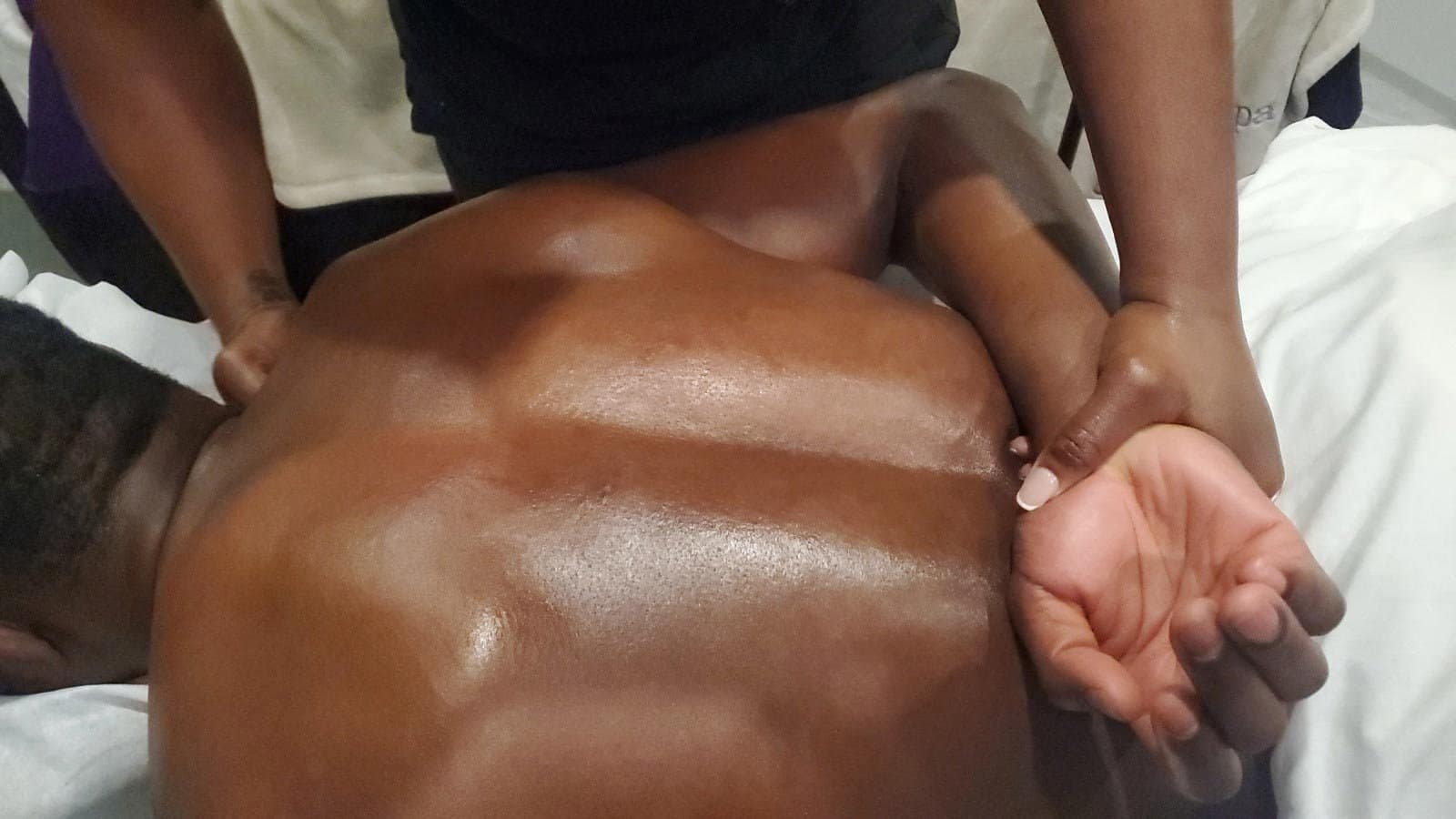
This might mean spending the entire session on one shoulder instead of covering the whole body, using specific techniques to break down scar tissue, or working on a muscle group that isn’t painful itself but is contributing to pain somewhere else — a common pattern with injuries. Clinical massage also tends to be more communicative and iterative: your therapist tracks progress across sessions and adjusts the approach as your body responds.
How Clinical Massage Supports the Injury Recovery Process
It reduces compensatory tension. After an injury, the body naturally shifts weight and movement patterns to protect the injured area. Over time, this creates secondary tension in muscles that had nothing to do with the original injury — a strained ankle can lead to tight hips, a shoulder injury can lead to neck and upper back tension. Clinical massage addresses both the primary injury site and these compensatory patterns.
It helps break down scar tissue and adhesions. As tissue heals, it can form scar tissue and adhesions that restrict movement and cause ongoing stiffness. Targeted massage techniques can help soften this tissue and improve its flexibility, supporting better long-term mobility — something that’s often difficult to achieve with rest alone.
It improves circulation to the injured area. Blood flow carries oxygen and nutrients essential for tissue repair. Techniques used in clinical massage can help stimulate circulation to areas that may have reduced blood flow due to inactivity, swelling, or guarding behavior.
It supports range of motion. Restricted movement is one of the most common lingering effects of an injury, even after pain has decreased. Clinical massage works to gradually restore range of motion by addressing the muscular and fascial restrictions that limit it.
It complements other treatment. Clinical massage is often used alongside physical therapy, chiropractic care, or a physician’s recovery plan. Many clients find that massage helps prepare the body for other treatments — loosening tissue before stretching or strengthening work — and helps manage soreness between appointments. If your recovery plan also includes cold therapy, our localized cryotherapy treatments can be a helpful complement for reducing inflammation between massage sessions.
Common Conditions Clinical Massage Can Help With
Clinical massage is used to support recovery from a wide range of conditions, including:
- Whiplash and soft tissue injuries from car accidents
- Sports injuries, including strains, sprains, and overuse injuries
- Post-surgical stiffness and scar tissue (in coordination with your surgeon’s guidance)
- Repetitive strain injuries from work, such as carpal tunnel-related tension or chronic shoulder tightness
- Frozen shoulder and other mobility-limiting conditions
- Sciatica and lower back pain tied to muscular tension
- General postural imbalances that developed from favoring an injured area
If your recovery involves significant swelling or fluid retention, it may also be worth exploring lymphatic drainage & recovery treatments, which are specifically designed to support the body’s fluid movement and reduce post-injury or post-surgical swelling.
What to Expect at Your First Clinical Massage Appointment
Your first clinical massage session will typically start with a conversation about your injury: how it happened, what treatment you’ve already had, what movements are difficult, and what your goals are for the session and for recovery overall. Your therapist may ask you to move through certain motions so they can observe how your body compensates or where movement is restricted.
From there, the session is built around your specific needs. This might involve deeper, more focused work than a typical relaxation massage — similar in intensity to a deep tissue massage session but applied with a specific therapeutic goal rather than general tension relief. It’s common for your therapist to check in frequently about pressure and sensation, especially around an injured area.
Don’t be surprised if the session doesn’t cover your entire body — clinical massage often concentrates time and attention where it’s needed most, rather than following a fixed routine.
How Many Sessions Will You Need?
This depends heavily on the nature and severity of the injury. Some clients see meaningful improvement after just a few sessions, particularly for milder strains or postural issues. More significant injuries, especially those involving surgery or long-term compensation patterns, often benefit from a longer series of sessions spaced consistently over several weeks or months. Your therapist can help build a realistic plan based on your specific situation and adjust it as your recovery progresses.
A Note on Working with Your Broader Care Team
Clinical massage works best as part of a coordinated recovery plan, not in isolation. If you’re working with a physical therapist, chiropractor, or physician, it’s worth letting your massage therapist know so treatment can be aligned rather than working at cross purposes. Many clients find that combining clinical massage with their other prescribed treatment accelerates progress and helps manage discomfort along the way.
Book Your Clinical Massage in Floral Park, NY
Recovering fully from an injury takes more than time — it takes targeted, informed care. At Somatic Massage Therapy & Spa, our therapists are experienced in clinical massage techniques designed to support real recovery, not just temporary relief. We’ll work with you to understand your injury, coordinate with your existing care plan when relevant, and build a session-by-session approach tailored to getting you back to full mobility.
Ready to get started? Book your clinical massage appointment today, or explore our full range of pain relief and recovery treatments to find the right combination of care for your recovery.
Frequently Asked Questions
Is clinical massage covered by insurance?
Coverage varies by provider and circumstance, particularly for injuries related to auto accidents or workers’ compensation claims. We recommend checking with your insurance provider directly, and our team can help provide documentation if needed.
How is clinical massage different from a regular massage?
Clinical massage is assessment-based and goal-oriented, focused specifically on supporting recovery from an injury or condition. A regular relaxation massage is generally more general in approach and focused on overall relaxation rather than a specific therapeutic outcome.
Can clinical massage help even if my injury happened years ago?
Often, yes. Compensatory tension patterns and scar tissue restrictions can persist long after the original injury, and clinical massage can still help address these lingering effects, even if the injury itself is old.