Most people wait too long to address chronic pain. A tight shoulder becomes “just how it is.” Lower back stiffness gets managed with over-the-counter pain relievers instead of addressed at the source. A nagging ache from an old injury gets written off as something you’ll “just have to live with.” The problem is that unaddressed muscular pain rarely stays the same — it tends to compound, spreading to other areas as your body compensates and adjusts to avoid discomfort.
Pain relief and recovery massage is designed specifically to interrupt that pattern. Unlike a general relaxation massage, it’s targeted treatment aimed at reducing pain, improving mobility, and supporting the body’s natural recovery process. The challenge is knowing when everyday soreness has crossed into something that deserves focused treatment. Here are five signs it’s time to book a pain relief & recovery treatment.
1. The Same Area Keeps Bothering You
Occasional soreness after a long day or a hard workout is normal. But if the same muscle group — your lower back, your neck, your shoulders — keeps flaring up week after week, that’s a signal the underlying tension isn’t resolving on its own. Chronic, recurring pain in the same location usually means there’s an unaddressed pattern: postural imbalance, muscular compensation, or tension that keeps rebuilding faster than your body can release it naturally.
Pain relief massage targets these recurring hot spots directly, working to release the tension rather than just temporarily easing the discomfort. If the pattern has been going on for months, it’s worth pairing focused sessions with an honest look at contributing factors — desk setup, sleep position, or repetitive movement at work.
2. Over-the-Counter Pain Relief Isn’t Cutting It Anymore
If you find yourself reaching for pain relievers more regularly than you used to, or the relief they provide feels shorter-lived, that’s often a sign the underlying issue has progressed beyond what medication can meaningfully address. Pain relievers manage symptoms; they don’t resolve muscular tension, restricted circulation, or the mechanical issues that are actually causing the pain.
A recovery-focused massage session works differently — instead of masking discomfort, it works directly on the muscle tissue, fascia, and circulation patterns contributing to the pain. Many clients find that consistent massage sessions reduce their reliance on medication over time, particularly for chronic tension-related pain.
3. Your Range of Motion Has Quietly Gotten Worse
This one sneaks up on people. You don’t necessarily notice a specific moment when you lost mobility — you just gradually stop reaching for things the way you used to, or you notice you can’t turn your head as far when checking a blind spot, or bending down to tie your shoes feels tighter than it used to. Reduced range of motion is one of the clearest signs that muscular or fascial restriction has built up, even if it isn’t consistently painful.
Left unaddressed, limited mobility tends to get worse, not better, since the body naturally avoids movement that feels restricted, which allows the restriction to deepen further. Pain relief and recovery treatments — sometimes combined with techniques similar to a deep tissue massage — can help gradually restore range of motion before it becomes a bigger issue.
4. You’re Recovering from an Injury, Surgery, or Intense Physical Activity
Whether it’s a sports injury, a surgical procedure, or simply a period of unusually intense physical activity, the recovery period is exactly when targeted massage can make the biggest difference. During recovery, muscles often guard around the affected area, circulation can be reduced, and compensatory tension builds in surrounding muscle groups. Left unaddressed, these patterns can outlast the original injury by months.
If swelling or fluid retention is part of your recovery, it’s also worth looking into our lymphatic drainage & recovery treatments, which specifically support the body’s fluid movement alongside pain relief work. For deeper mechanical injury support, our clinical massage services take a more assessment-driven approach tailored to your specific injury.
5. Stress Is Showing Up as Physical Pain
It’s well established that chronic stress doesn’t just live in your mind — it manifests physically, often as tension headaches, jaw clenching, tight shoulders, or a stiff neck. If you’ve noticed that stressful periods correlate directly with an uptick in physical pain, that’s a sign your body is holding stress in a way that’s becoming physically damaging over time, not just uncomfortable in the moment.
Pain relief and recovery massage addresses this dual challenge — working on the physical tension itself while also encouraging the nervous system into a calmer state, which can reduce how much new tension builds up going forward. If general stress relief is your primary goal alongside pain, a Swedish massage approach blended into your session can help address both the mental and physical sides of chronic tension.
What a Pain Relief & Recovery Session Actually Involves
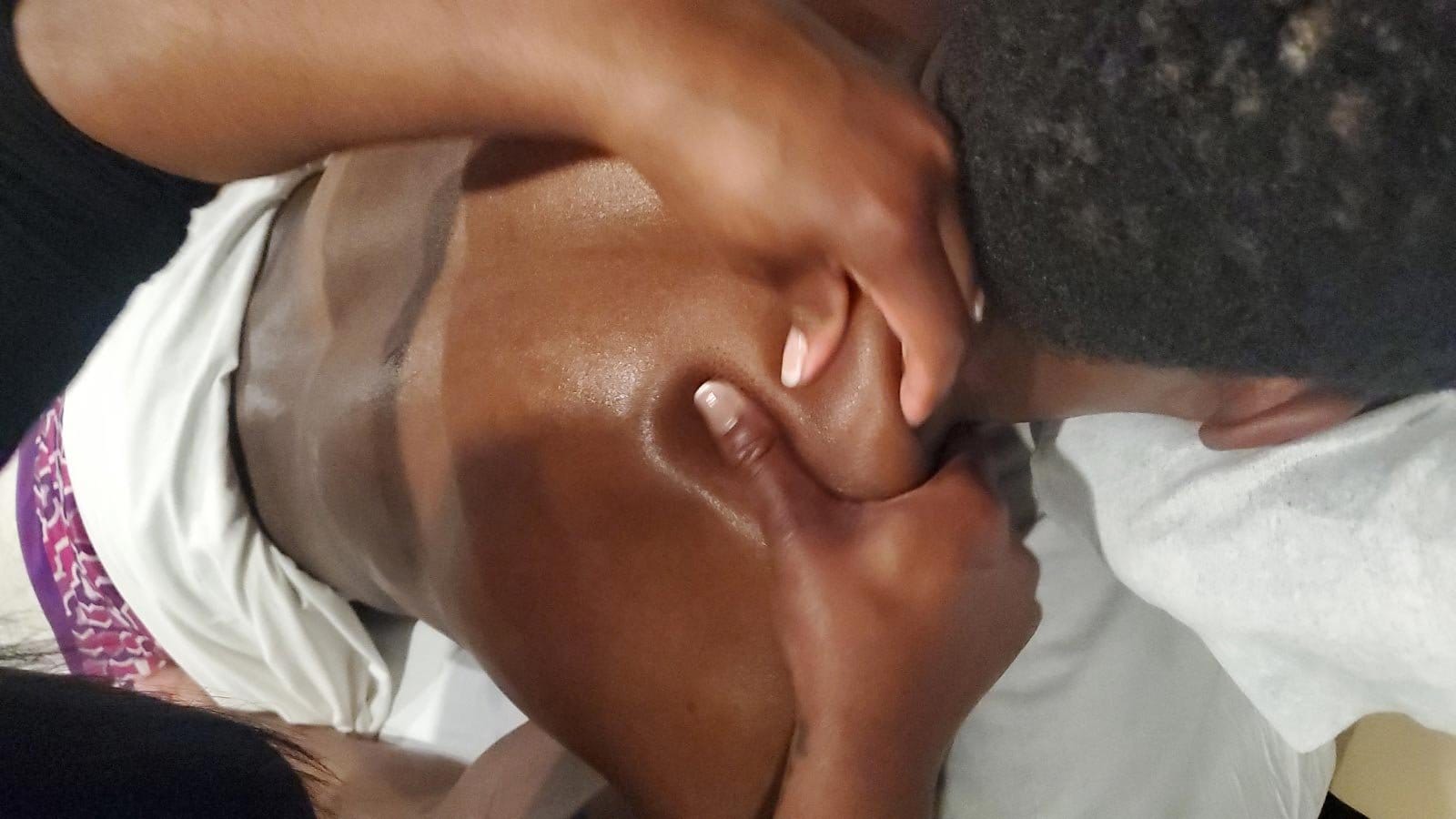
Every session starts with a conversation about where you’re experiencing pain, how long it’s been going on, and what activities make it better or worse. From there, your therapist targets the specific areas contributing to your discomfort using a combination of techniques — which might include focused deep pressure, stretching, and circulation-boosting strokes, depending on what your body needs.
Unlike a standard full-body relaxation massage, pain relief and recovery sessions are often more concentrated on specific problem areas, meaning your therapist might spend the majority of the session on your lower back and hips, for example, rather than covering everywhere equally.
When to See a Doctor Instead (or First)
Massage therapy is an excellent tool for muscular and soft-tissue pain, but it isn’t a substitute for medical care when something more serious is going on. If you’re experiencing numbness, tingling, sharp shooting pain, pain following a significant trauma, or pain accompanied by fever or unexplained weight loss, see a physician before booking a massage. For everyday muscular tension, chronic tightness, and recovery-related discomfort, however, pain relief massage is often exactly the right first step — and can also work well alongside medical treatment you’re already receiving.
Book Your Pain Relief & Recovery Session in Floral Park, NY
If any of these five signs sound familiar, it’s worth addressing the pain directly rather than waiting for it to resolve on its own. At Somatic Massage Therapy & Spa, our licensed therapists build every pain relief and recovery session around your specific pain points, whether that’s a chronic problem area, post-injury recovery, or stress-related tension that’s become physical.
Book your pain relief & recovery treatment today, or explore our related clinical massage and lymphatic drainage & recovery services to find the right combination of care for your recovery.
Frequently Asked Questions
How often should I get a pain relief massage?
It depends on the severity and duration of the pain. For acute or recent issues, weekly sessions for a few weeks are common. For chronic, long-standing tension, many clients maintain results with sessions every two to four weeks.
Will one session fix chronic pain?
Usually not entirely, especially if the pain has been building for months or years. A single session can bring noticeable relief, but lasting results typically come from a consistent series of sessions combined with attention to contributing factors like posture, movement habits, and stress levels.
Can pain relief massage help with pain caused by poor posture?
Yes. Postural pain often comes from chronically tight and weak muscle groups working against each other. Massage helps release the tightness contributing to postural strain, though pairing it with awareness of ergonomics and movement habits tends to produce the best long-term results.