You twist your ankle stepping off a curb, or you feel a sharp pull in your lower back while lifting a box. Both moments end the same way: pain, swelling, and a lot of questions. Is it a sprain or a strain? Does it matter? And when, if ever, is it safe to get a massage? The short answer is yes, it matters, and timing is important. This guide explains the differences between sprains and strains, outlines what usually happens during healing, and shows how massage therapy for sprains and strains can support recovery at the right stage.
What Is a Sprain?
A sprain is an injury to a ligament. Ligaments are the tough, fibrous bands that connect one bone to another and keep your joints stable. When a joint is forced past its normal range, the ligament can stretch or tear. The ankle, knee, wrist, and thumb are the most common places for sprains.
Typical signs of a sprain include pain around the joint, swelling, bruising, and a joint that feels unstable or hard to move. Some people hear or feel a pop at the moment of injury.
What Is a Strain?
A strain is an injury to a muscle or a tendon, which is the cord that connects muscle to bone. Strains happen when a muscle is overstretched or overloaded, such as during a sprint, a heavy lift, or an awkward twist. The hamstring, lower back, calf, and shoulder are frequent trouble spots.
Strain symptoms usually include muscle pain, spasms, cramping, weakness, and sometimes swelling or bruising. The muscle may feel tight and sore when you move or stretch it. Chronic strains can also develop over time from repeated overuse, especially in the back and neck.
Sprain vs. Strain at a Glance
- Tissue involved: Sprains affect ligaments. Strains affect muscles or tendons.
- Common causes: Sprains often come from twists, falls, or impacts. Strains often come from overstretching, overuse, or lifting.
- Typical feeling: Sprains feel unstable around a joint. Strains feel like a pulled, tight, or spasming muscle.
- Common locations: Sprains occur at the ankle, knee, and wrist. Strains occur in the hamstring, back, and shoulder.
The two injuries can also happen together. A hard fall, for example, may sprain a joint and strain the surrounding muscles at the same time.
Grades of Injury: Mild, Moderate, and Severe
Healthcare providers often grade these injuries by severity. A grade one injury involves mild stretching with minimal tearing and little loss of function. A grade two injury involves a partial tear, with more pain, swelling, and weakness. A grade three injury is a complete tear or rupture, which usually needs prompt medical attention and sometimes surgery.
See a doctor first if: you cannot put weight on the limb, the joint looks deformed, you heard a loud pop followed by severe pain, you have numbness or tingling, or swelling and pain are severe. These can be signs of a fracture or a major tear that needs to be ruled out before any massage.
The Stages of Healing
Soft tissue injuries generally move through three overlapping phases. Understanding them helps you know what to do and when.
Phase 1: The Acute Stage (First Few Days)
Your body responds to injury with inflammation. You will notice swelling, warmth, and pain. During this window the goal is to protect the area, avoid aggravating it, and follow your doctor’s advice. Massage directly on the injured area is usually not recommended in the early acute stage, because it could irritate tissue that is trying to stabilize.
Phase 2: The Repair Stage (Days to Weeks)
The body begins building new tissue. Swelling goes down, and gentle movement is often encouraged. This is when a skilled therapist may begin carefully working the area around the injury, using light techniques to support circulation and reduce guarding in nearby muscles, as long as your physician agrees.
Phase 3: The Remodeling Stage (Weeks to Months)
New tissue strengthens and aligns. Scar tissue can form, which may leave the area stiff or restricted. This is where massage often becomes most useful, helping with flexibility, tissue mobility, and the return to normal activity.
When Is Massage Safe?
The right timing depends on the severity of your injury and your doctor’s guidance. As a general rule, we avoid deep work on a fresh, acutely inflamed injury. Once the early inflammation settles and your provider clears you, massage can become a helpful tool. Before we begin, we always ask about when and how you were hurt, whether you have been examined, and what restrictions you have been given.
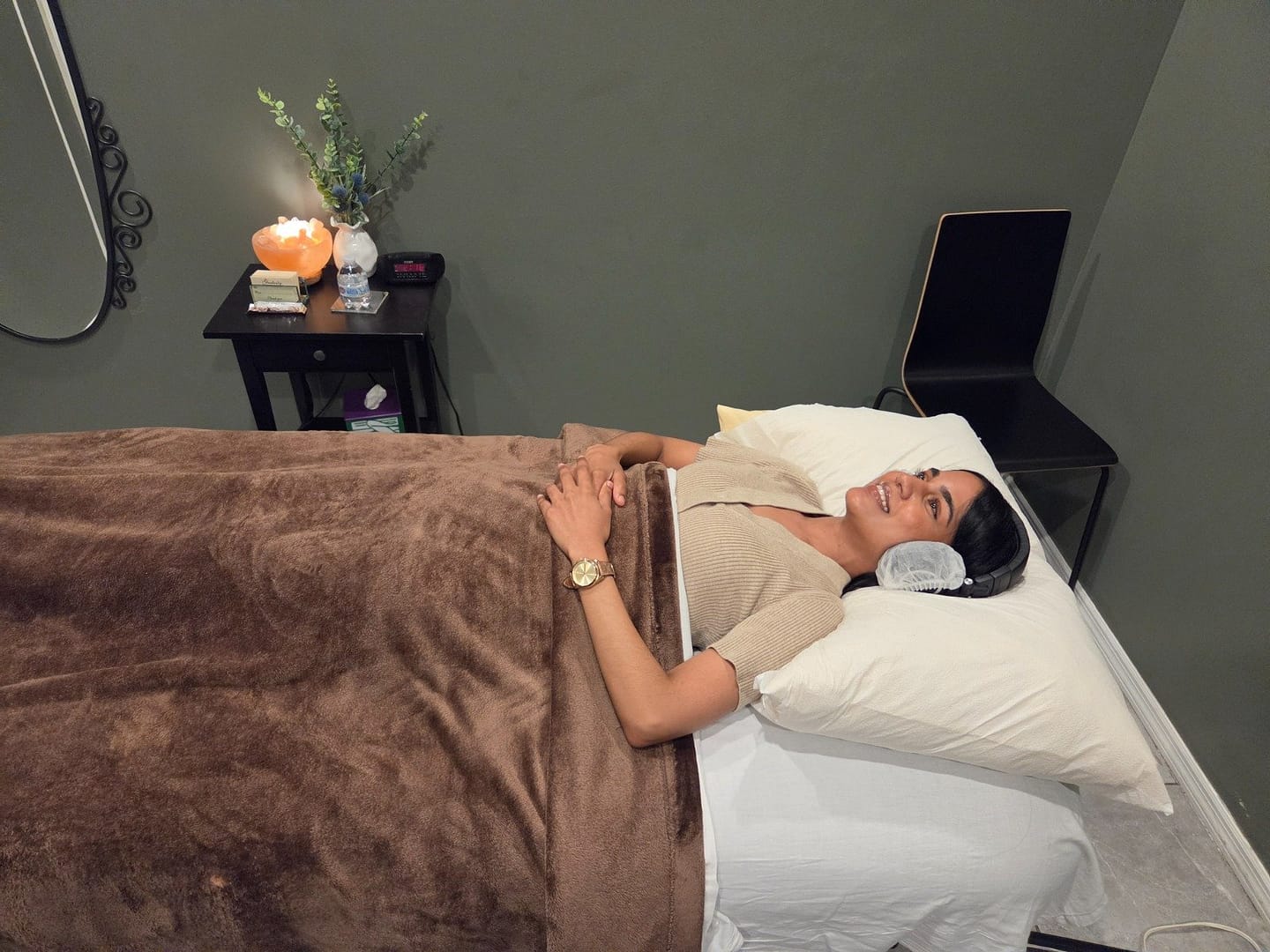
It is also possible to receive massage on other areas of the body while an injury heals. For example, if you have sprained an ankle and are using crutches, your hips, low back, and shoulders may become sore from compensating. Treating those areas can be very helpful, and a good time to address a related low back pain complaint.
How Massage Therapy May Support Recovery
When timing is right, a licensed massage therapist may use techniques designed to:
- Ease muscle guarding: Muscles around an injury often tighten up to protect it. Gentle work can reduce that extra tension.
- Support circulation: Improved blood flow helps bring nutrients to healing tissue.
- Address scar tissue: In later stages, specific techniques may help improve tissue mobility.
- Restore range of motion: Working the surrounding muscles can make stretching and rehab exercises more comfortable.
- Relieve compensation patterns: Limping or favoring one side can strain other muscles, which massage can help address.
Massage works best alongside, not instead of, appropriate medical care and rehabilitation. Many clients combine bodywork with physical therapy exercises, and we are glad to coordinate with your healthcare team. If you are active, our sports injury massage services may also be a good fit.
Home Care Tips Between Visits
- Rest the area and avoid activities that cause sharp pain.
- Follow your provider’s advice on ice, compression, and elevation during the early days.
- Gradually reintroduce gentle movement as pain allows and as your doctor approves.
- Do not push through sharp pain when stretching.
- Stay hydrated and keep up with sleep, since healing happens when you rest.
- Return to sports or heavy lifting slowly, rather than all at once.
Preventing Repeat Injuries
Once you have sprained a ligament or strained a muscle, you are more likely to injure the same area again, especially if recovery is rushed. Strength and balance work, good footwear, a proper warm-up, and addressing tight or weak muscles all lower your risk. Regular bodywork can also help you notice tight areas before they become problems.
Frequently Asked Questions
Can I get a massage right after spraining my ankle?
Direct deep massage on a fresh sprain is generally avoided. Talk with your doctor first, and let your therapist know about your injury so the session can be adjusted safely.
How long does a strain take to heal?
Mild strains may improve in a couple of weeks, while moderate injuries can take several weeks to months. Healing time varies based on severity, age, and activity level.
Does No Fault insurance cover massage for injuries?
If your injury resulted from an auto accident, No Fault coverage may apply. Learn more on our page about No Fault insurance massage or call our office.
Get Expert Help in New Hyde Park
Whether you are dealing with a twisted ankle, a pulled hamstring, or a stubborn strain that will not go away, Somatic Massage Therapy, P.C. is here to help you move comfortably again. We welcome clients from Glen Oaks, Garden City, Floral Park, Bellerose, and throughout Queens. Call (516) 686-9557 or schedule your appointment online. You can also read more about our approach to medical massage or visit our blog for more recovery tips.