
Your fingers tingle when you wake up. Your hand falls asleep while you drive. Typing feels more tiring than it used to. Many people hear these symptoms and immediately think of carpal tunnel syndrome, and sometimes they are right. But hand and wrist symptoms can have several causes, and getting the right answer matters for getting the right treatment. This guide walks through the early signs of carpal tunnel, other conditions that can look similar, and how massage therapy for carpal tunnel may fit into your care.
What Is Carpal Tunnel Syndrome?
The carpal tunnel is a narrow passageway in your wrist, formed by small bones and a strong band of connective tissue. The median nerve, which provides feeling to your thumb, index finger, middle finger, and part of your ring finger, travels through this tunnel along with several tendons. When the space becomes crowded or the tissues swell, the nerve can be compressed. The result is carpal tunnel syndrome.
It can affect one or both hands and often develops gradually. It is more common in people who perform repetitive hand movements, hold their wrists in bent positions for long periods, or use vibrating tools. Other factors, including pregnancy, certain health conditions, and wrist injuries, can also play a role.
Early Signs of Carpal Tunnel
Early symptoms can be subtle and may come and go. Watch for these:
- Tingling or “pins and needles” in the thumb, index, middle, and part of the ring finger
- Numbness that may wake you at night, often relieved by shaking your hand
- Aching in the wrist or forearm
- Weak grip, such as dropping cups or struggling with jar lids
- Clumsiness with small tasks like buttoning a shirt
- Symptoms during certain activities, like driving, holding a phone, or typing
Notice that the little finger is usually not affected in carpal tunnel. If numbness involves the pinky side of your hand, another nerve or a problem higher up, such as in the neck, may be involved.
What Else Could It Be?
Not every tingling hand is carpal tunnel. A few conditions can look similar:
Cubital Tunnel Syndrome
This involves the ulnar nerve at the elbow, the “funny bone” nerve. It tends to cause tingling in the ring and little fingers, and it may worsen when your elbow stays bent, such as when you hold a phone to your ear.
Pinched Nerve in the Neck
Nerves that supply your arm and hand begin at the neck. If a nerve is irritated there, you can feel symptoms in your fingers even though the wrist is fine. Neck stiffness or pain that travels down the arm can point in this direction. If this sounds like you, you may benefit from reading about neck pain and posture.
Tendinitis and Overuse Strain
Inflamed tendons in the wrist and forearm can cause aching, tenderness, and pain with movement, usually without the numbness typical of nerve compression. A related issue is a muscle problem, such as a strain in the forearm.
Arthritis and Other Conditions
Arthritis in the thumb or wrist, diabetes-related nerve changes, and thyroid conditions can all cause hand symptoms. This is one reason a medical evaluation is important.
When to see a doctor: If you have constant numbness, noticeable weakness, muscle wasting at the base of the thumb, or symptoms that are getting worse, see a physician promptly. A doctor can examine you and may order tests to confirm the cause. Long-standing nerve compression can lead to lasting damage if ignored.
Common Causes and Risk Factors
- Long hours of typing or mouse use, especially with the wrists bent
- Repetitive gripping or tool use at work, in a trade, or in a hobby
- Poor workstation setup, such as a keyboard that is too high
- Pregnancy, due to fluid retention
- Previous wrist fractures or injuries
- Certain medical conditions, including diabetes and thyroid issues
How Massage Therapy May Help
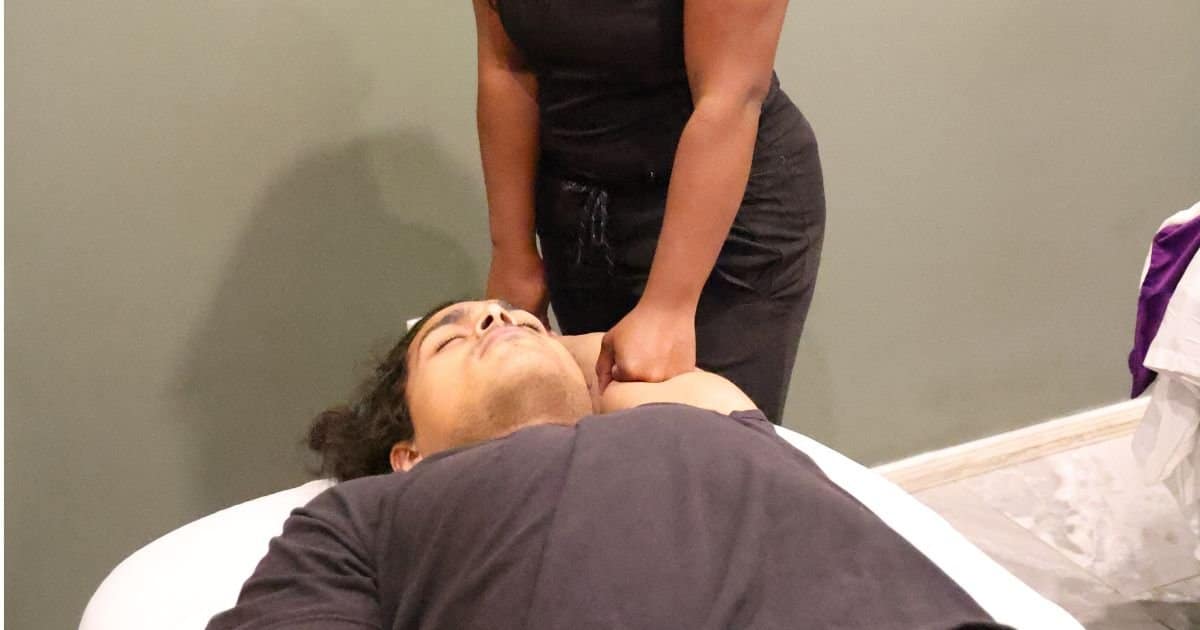
Massage therapy is not a cure for carpal tunnel syndrome, and it is not a substitute for medical evaluation. Still, many people find that soft tissue work provides welcome relief as part of a broader plan. Because the forearm muscles and tendons pass through or near the carpal tunnel, tightness in the forearm, upper arm, shoulder, and neck can contribute to the strain on the wrist.
A licensed therapist may use techniques to:
- Reduce tension in the forearm flexor and extensor muscles
- Release tight tissue in the upper arm, shoulder, and chest that may affect arm mechanics
- Improve circulation and mobility in the hand and wrist
- Ease muscle guarding and fatigue from repetitive activity
- Promote relaxation, which can reduce overall muscle tension
We tailor every session to your symptoms. At Somatic Massage Therapy, P.C., we treat a wide range of musculoskeletal conditions, and you can learn more about our approach on our carpal tunnel page.
Simple Habits to Protect Your Wrists
- Keep wrists neutral. Avoid bending them sharply up, down, or to the side while typing or using a mouse.
- Take micro-breaks. Every 30 minutes, relax your hands, shake them out, and gently stretch your fingers.
- Adjust your workstation. Your keyboard should sit at about elbow height, with your forearms supported.
- Loosen your grip. Many people squeeze a pen, mouse, or phone harder than necessary.
- Sleep with care. Avoid curling your wrists under your pillow. A wrist splint at night, if your doctor recommends one, may help.
- Stay active. Gentle exercise and stretching improve circulation and reduce overall stiffness.
Gentle Stretches You Can Try
These movements should feel mild. Stop if you feel sharp pain, increased numbness, or tingling.
- Wrist flexor stretch: Extend your arm with the palm up, and use the other hand to gently pull the fingers back toward you. Hold for 15 to 20 seconds.
- Wrist extensor stretch: Extend your arm with the palm down, and gently press the back of the hand toward you. Hold for 15 to 20 seconds.
- Prayer stretch: Press your palms together in front of your chest and slowly lower them toward your waist, keeping the palms together.
- Tendon glides: Move your fingers slowly from an open hand to a hook, a full fist, and back.
Frequently Asked Questions
Can carpal tunnel go away on its own?
Mild or temporary cases, such as those related to pregnancy or a short period of overuse, sometimes improve when the cause is addressed. Persistent symptoms should be evaluated by a doctor.
Is massage safe for carpal tunnel?
Massage is generally considered safe when performed by a licensed therapist who knows about your condition. Let your therapist know about any numbness, recent surgery, or other medical concerns before the session.
How many sessions will I need?
This varies. Some people feel better after a few visits, while others need ongoing care alongside ergonomic changes. Your therapist can suggest a plan after assessing you.
Find Relief for Your Hands in New Hyde Park
You rely on your hands for work, family, and everything in between. If tingling, aching, or weakness is getting in the way, we would love to help. Somatic Massage Therapy, P.C. serves New Hyde Park, Glen Oaks, Garden City, Floral Park, Bellerose, and surrounding parts of Queens. Call (516) 686-9557 or book your appointment online. To learn about our full range of services, visit our page on medical massage therapy, or read more helpful guides on our blog.