
Pregnancy is exciting, and it can also be uncomfortable. Your body changes quickly, and aches in the back, hips, and legs are common. It is natural to wonder whether massage is a safe way to find relief. For most healthy pregnancies, prenatal massage performed by a trained therapist is considered safe, but there are important precautions and a few situations where you should check with your provider first. This guide walks through what to know in each trimester, the potential benefits, and how prenatal massage at our New Hyde Park office works.
What Is Prenatal Massage?
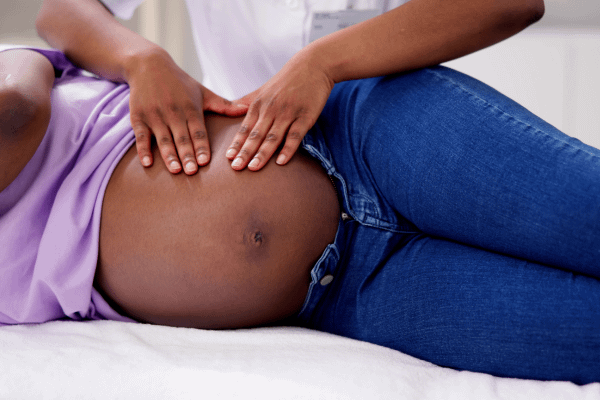
Prenatal massage is bodywork adapted to the needs of pregnant clients. It uses positioning, pressure, and techniques that are appropriate for a changing body. Instead of lying flat on your stomach, you are usually supported on your side with pillows or bolsters, or semi-reclined in a comfortable position. The goal is to ease muscle tension, support relaxation, and help you feel more comfortable as your body adapts.
It is important to choose a therapist who has training and experience with pregnancy. Our licensed therapists understand the physical changes and safety considerations involved.
Talk to Your Provider First
Before starting massage, check with your doctor or midwife. This is especially important if you have a high-risk pregnancy or any complications. Conditions that may call for extra caution or avoiding massage include:
- Preeclampsia or high blood pressure
- A history of blood clots or deep vein thrombosis
- Gestational diabetes that is not well controlled
- Bleeding, placenta problems, or risk of preterm labor
- Severe swelling, especially in one leg, or sudden headaches or vision changes
- Fever or illness
Call your provider or seek urgent care if you have vaginal bleeding, leaking fluid, severe abdominal pain, a painful, swollen, or red calf, sudden severe headache, or changes in vision. Do not wait for a massage appointment.
Massage in the First Trimester
The first trimester spans the first 12 or 13 weeks. Fatigue, nausea, and breast tenderness are common. Many therapists prefer to be conservative in this period, and some clinics wait until after the first trimester to begin prenatal massage. The reasons are mostly caution, since the risk of miscarriage is naturally higher in early pregnancy and we want to avoid any false association.
If you do want massage early on, speak with your provider and let your therapist know how far along you are. Lighter pressure, comfortable positioning, and a calm environment may help with stress and tension. You may prefer sessions that focus on the back, neck, and shoulders, while staying away from deep abdominal work.
Massage in the Second Trimester
Many women feel their best during the second trimester, with more energy and less nausea. At the same time, your growing belly begins shifting your center of gravity, which can strain the lower back, hips, and pelvis. This is often a popular time for prenatal massage.
You will typically lie on your side, supported by pillows under the head, between the knees, and under the belly. Your therapist can focus on tight muscles in the low back, glutes, and hips, and may also address tension in the neck and shoulders. If you notice pain that travels down the leg, it may be related to nerve irritation, which you can read about in our article on sciatic pain.
Massage in the Third Trimester
By the third trimester, your body is carrying extra weight, and pressure on the pelvis and legs can make sleeping and walking uncomfortable. Swelling in the feet and ankles, back pain, and hip tightness are all common. Massage can help you relax and feel more comfortable as you prepare for delivery.
Positioning becomes even more important. Side-lying with generous support is typical, and we avoid lying flat on the back for long periods because it can reduce blood flow for some women. Your therapist will keep checking in with you about comfort and pressure. Many clients also notice that regular sessions help with feeling calm and rested as their due date approaches.
Potential Benefits of Prenatal Massage
- Easing back and hip pain, especially as the belly grows and posture changes
- Relaxing tight muscles in the neck, shoulders, and legs
- Reducing stress and tension, which supports a sense of calm and well-being
- Supporting circulation, which may help with leg heaviness and swelling
- Promoting better sleep by helping you relax
- Offering dedicated time to rest and connect with your body
Research on prenatal massage is still developing, and results vary from person to person. What many women report is simply feeling more comfortable and relaxed, which is a worthwhile goal in itself. For more on back discomfort, see our guide to low back pain.
What to Expect at Your First Prenatal Massage
- A conversation. We ask about your due date, any complications, areas of discomfort, and your provider’s recommendations.
- Comfortable positioning. You will be supported on your side or semi-reclined with pillows and bolsters.
- Adapted technique. Pressure is generally light to moderate, and certain areas, such as the abdomen, are approached with great care or avoided.
- Constant feedback. You are in charge. Speak up about temperature, pressure, or positioning at any time.
- Afterward. Drink water, move slowly when getting up, and take a few minutes to rest.
Common Pregnancy Aches Massage May Address
Every pregnancy is different, but several complaints come up again and again. Lower back pain is the most common, as the growing belly pulls the pelvis forward and the back muscles work overtime. Hip and glute tightness can develop as the pelvis loosens and the body adjusts its alignment. Leg cramps and heaviness often show up at night, and upper back and shoulder tension can build as breasts grow and posture shifts. Carpal tunnel type tingling in the hands may also appear because of fluid retention, which we cover in our guide to carpal tunnel. A prenatal session can focus on whichever of these areas bothers you most, while keeping you safe and supported.
Tips for Staying Comfortable Between Sessions
- Sleep on your side with a pillow between your knees and another under your belly
- Wear supportive shoes and avoid standing for very long periods
- Try gentle prenatal stretching or yoga, if your provider approves
- Elevate your feet when you can to ease swelling
- Stay hydrated and take regular walking breaks
Frequently Asked Questions
Can prenatal massage cause labor?
There is no strong evidence that standard prenatal massage causes labor to start. Still, tell your therapist how far along you are, and follow your provider’s guidance.
Is it safe to lie on my back or stomach?
We use side-lying or semi-reclined positions with supportive pillows to keep you safe and comfortable throughout pregnancy.
How often can I get prenatal massage?
Many women choose monthly or every-few-weeks sessions, with more frequent visits in the third trimester. Your therapist and provider can help you decide.
Book Prenatal Massage in New Hyde Park
Somatic Massage Therapy, P.C. offers caring, professional support for expecting mothers from New Hyde Park, Glen Oaks, Garden City, Floral Park, Bellerose, and throughout Queens. Call (516) 686-9557 or schedule your appointment online. You can also explore our relaxation massage options, learn about our medical massage services, or give a thoughtful present with a gift certificate. For more articles, visit our blog.