
Almost everyone gets a headache now and then, but not every headache is the same. A dull band of pressure across your forehead after a long day at the computer feels very different from a pounding, one-sided migraine that sends you looking for a dark room. Knowing which type you are dealing with matters, because it affects what helps and when you should call a doctor. In this guide, we explain the key differences between tension headaches and migraines, what may be causing them, and how massage therapy for headaches can fit into a broader plan for relief.
What Is a Tension Headache?
A tension headache is the most common type of headache. People often describe it as a tight band or steady pressure around the forehead, temples, or the back of the head. The pain is usually mild to moderate and tends to be on both sides of the head. It does not usually come with nausea or vomiting, and light and sound may bother you only slightly, if at all.
Tension headaches are closely linked to muscle tightness in the neck, shoulders, jaw, and scalp. Stress, poor posture, long hours at a desk, clenching your teeth, and lack of sleep are common triggers. Because muscles play such a large role, this is the type of headache where hands-on bodywork often makes the biggest difference.
What Is a Migraine?
A migraine is a neurological condition, not just a bad headache. The pain is often throbbing or pulsing and commonly affects one side of the head, although it can affect both. Migraines are frequently accompanied by other symptoms, including:
- Nausea or vomiting
- Sensitivity to light, sound, or smells
- Visual disturbances, sometimes called an aura, such as flashing lights or blind spots
- Pain that gets worse with routine movement, such as climbing stairs
- Episodes lasting hours or even days
Common migraine triggers include hormonal changes, certain foods, missed meals, dehydration, strong smells, weather changes, and stress. Because migraines have a neurological basis, they should be diagnosed and managed by a physician. Massage therapy is not a replacement for medical care, but many people find it helps them manage stress and muscle tension that may contribute to their symptoms.
Tension Headache vs. Migraine: Key Differences
It can be hard to tell the two apart, especially because they can overlap. Here is a simple way to compare them:
- Pain quality: Tension headaches feel like pressure or tightness. Migraines tend to throb or pulse.
- Location: Tension headaches usually affect both sides. Migraines often affect one side.
- Severity: Tension headaches are typically mild to moderate. Migraines can be moderate to severe and disabling.
- Other symptoms: Nausea, visual changes, and strong light or sound sensitivity point more toward a migraine.
- Activity: You can usually keep going with a tension headache. Many people with a migraine need to stop and rest.
Important: If you have a sudden, severe headache that feels like the worst of your life, or a headache with fever, a stiff neck, confusion, weakness, numbness, or trouble speaking, seek emergency medical care right away. Also see a doctor if your headaches are new, getting worse, or happening more often.
Why Neck and Shoulder Muscles Matter
Many headaches begin below the skull. The muscles at the base of the head, along the neck, and across the upper shoulders can develop tight, tender spots known as trigger points. These spots can refer pain to other areas, which means a knot in your upper trapezius muscle may show up as pain behind your eye or at your temple.
Think about how much time you spend with your head tilted forward over a phone, a laptop, or a steering wheel. For every inch the head moves forward from a neutral position, the muscles at the back of the neck work harder to hold it up. Over weeks and months, that extra load can produce chronic tightness. If this sounds familiar, you may also be dealing with posture-related neck pain that is feeding your headaches.
How Massage Therapy May Help Headaches
Massage therapy cannot cure every headache, but it can be a helpful part of a care plan, especially for tension-type headaches. A licensed massage therapist may use techniques aimed at the areas where headache pain often starts. Here is how massage may help:
- Reducing muscle tension: Working the neck, shoulders, upper back, and scalp can ease the tightness that contributes to tension headaches.
- Releasing trigger points: Focused pressure on tender spots may reduce referred pain patterns.
- Improving circulation: Hands-on work encourages blood flow to tight, overworked tissue.
- Calming the nervous system: A quiet, supportive session can lower stress, which is a major headache trigger for many people.
- Improving range of motion: Looser neck muscles make it easier to hold good posture throughout the day.
At Somatic Massage Therapy, P.C., our therapists begin by asking about your headache history, how often they happen, what seems to set them off, and what you have already tried. From there, we tailor each session to your needs, whether that means a focused treatment on the neck and shoulders or a broader approach for stress and overall tension. You can learn more about our approach on our headache treatment page.
What to Expect at Your First Headache Massage
Your first visit starts with a conversation. We will ask about your symptoms, your medical history, any medications, and your daily routine. If you have migraines, let us know about your triggers and whether you are in the middle of an episode, because deep pressure or strong scents may not feel good during an active migraine.
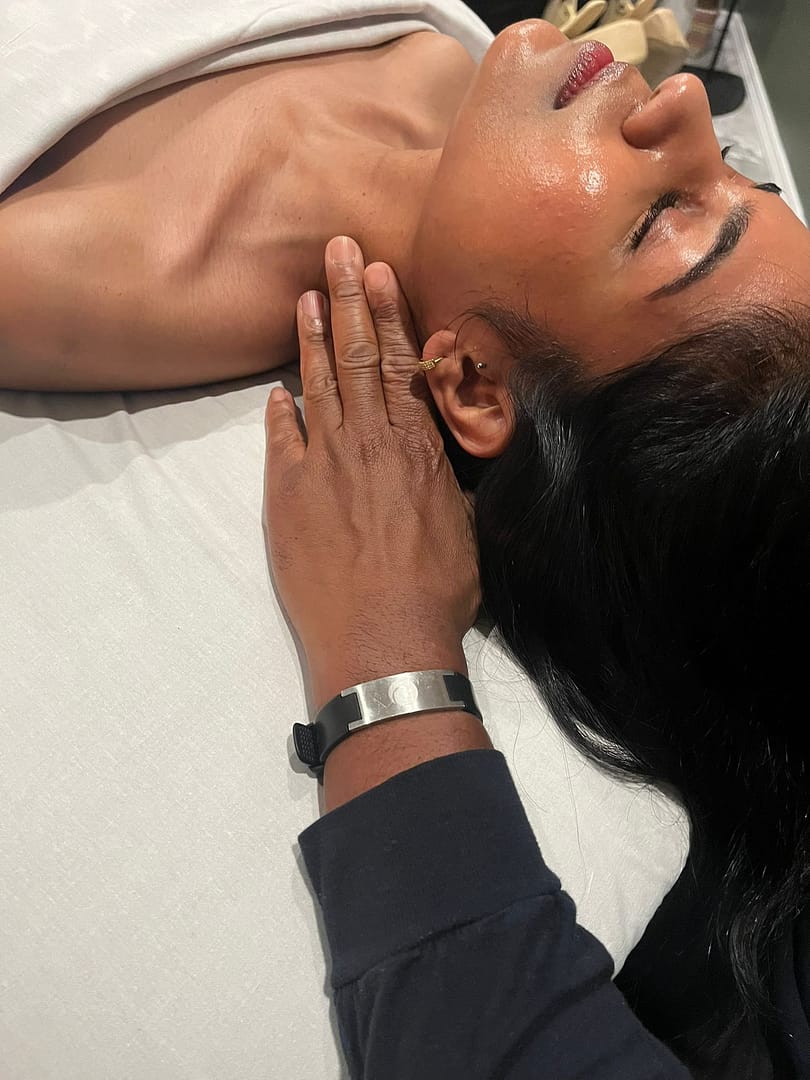
During the session, you will lie comfortably on the table, covered with a sheet, and we will work only on the areas that you are comfortable with. Pressure is adjusted to your preference. Many clients ask for slower, steady pressure around the neck and base of the skull, and some prefer a lighter touch. Speak up at any time, because feedback helps us get the best results. Afterward, we may suggest simple stretches or posture changes to practice at home.

Everyday Habits That Can Reduce Headaches
Massage works best when it is paired with healthy habits. Try these practical steps between appointments:
- Take a short break from screens every 30 to 45 minutes to stand, stretch, and relax your shoulders.
- Raise your monitor to eye level and keep your phone higher when you use it.
- Drink water regularly and avoid skipping meals.
- Keep a consistent sleep schedule, because both too little and too much sleep can trigger headaches.
- Keep a headache diary to record triggers, timing, and what helps.
- Practice slow breathing or gentle neck stretches when you notice tension building.
If your headaches seem to begin after an accident, such as a fall or a car crash, tell your therapist and your doctor. Headaches can be a sign of whiplash, which may need a more specific plan of care.
How Often Should You Get a Massage for Headaches?
There is no single answer, because it depends on how often your headaches occur and how long you have had them. Many people with frequent tension headaches start with a series of regular visits over a few weeks, then move to a maintenance schedule as symptoms improve. Your therapist can recommend a plan after your first session and adjust it as you progress.
If you are not sure whether massage is right for you, ask your physician. We are happy to work alongside your healthcare team, and we accept No Fault claims for qualifying injuries. For more information about coverage, visit our page on No Fault insurance massage.
Frequently Asked Questions
Can massage get rid of a migraine?
Massage is not a cure for migraines. Some people find that regular massage helps them manage stress and muscle tension that may contribute to their episodes. Always work with your doctor on a migraine treatment plan.
Is it safe to get a massage during a headache?
Many people find a gentle session helpful for a tension headache. During an active migraine, you may prefer to wait until it passes. Tell your therapist how you feel so the session can be adjusted.
How soon will I feel relief?
Some people notice looser muscles and less pressure after the first visit. Others need several sessions to see a steady change. Results vary from person to person.
Ready for Relief? Book a Visit in New Hyde Park
You do not have to keep living with headaches that interrupt your work, your family time, and your sleep. Our experienced, licensed therapists in New Hyde Park serve clients from Glen Oaks, Garden City, Floral Park, Bellerose, and surrounding areas of Queens and Long Island. Call us at (516) 686-9557 or book an appointment online today. If you are not completely satisfied with your massage, we will refund your money.
Explore more tips and guides on our blog, or learn about our full range of medical massage therapy services.