
Office workers and people who spend hours on digital devices often treat stiffness and soreness as the price of productivity. Whether you commute throughout Queens, Nassau County, or spend long hours at a desk in the New York metro area, poor posture can quietly contribute to chronic neck, shoulder, and back discomfort. Day after day, subtle slumping, forward head positioning, and uneven sitting load the neck, shoulders, and low back until musculoskeletal pain feels normal.
What Good Posture Alignment Really Means
Good posture is simply balanced alignment in how you sit, stand, and walk, with your head stacked over your ribs and your ribs over your hips. A clear body alignment goal is to keep your spine’s natural curves, not force a stiff “military” pose. Ergonomically, that means joints share the load instead of one area doing overtime.
This matters because a well-stacked spine gives your lungs more room, so breathing feels easier and less shallow. With less strain on your neck and low back, your muscles waste less energy bracing all day. Many people even notice they boost your energy levels when alignment improves.
Think of your body like a tower of blocks. When one block slides forward, the whole stack needs extra support to stay upright. Bringing the blocks back into line makes standing, typing, and walking feel lighter. With alignment clear, care options can target the specific tissues and habits driving your posture.
Choose Hands-On Therapies That Support Posture Changes
Massage therapy can improve mobility by easing tight muscles and reducing the tension that pulls your shoulders forward or limits healthy movement. Therapeutic techniques such as myofascial release, trigger point therapy, stretching, and customized massage sessions can complement posture exercises by helping restore mobility and reduce muscular imbalance. Somatic therapy adds an awareness component by helping you recognize habitual holding patterns so you can move more efficiently throughout the day. Many clients choose to combine regular massage with consistent posture exercises and ergonomic improvements to support long-term results. At Somatic Massage Therapy & Spa, personalized therapeutic massage can be incorporated into a broader wellness plan designed to reduce tension, improve mobility, and support healthier posture over time.
Start Today: 8 Practical Fixes for Better Posture
Pick a few changes you can start today, then stack on more as they become automatic. The goal isn’t “perfect posture”, it’s a body that stays aligned, strong, and comfortable in the positions you live in most.
- Tune your ergonomic office furniture in 3 minutes: Set your chair so feet are flat, knees are about hip height, and your low back is supported (use a small cushion if needed). Place your monitor so the top third of the screen sits at eye level and keep the keyboard close enough that elbows stay near your sides. This reduces the constant forward reach that feeds rounded shoulders and a cranky neck.
- Build a quick “reset” posture at your desk: Twice a day, do 30–60 seconds of chin tucks, shoulder-blade squeezes, and a gentle chest opener in a doorway. These simple posture exercises counter the common desk pattern of head forward, ribs flared, and shoulders rolled in. If you’re also seeing a physical therapist or chiropractor, ask which version of these moves best matches your plan.
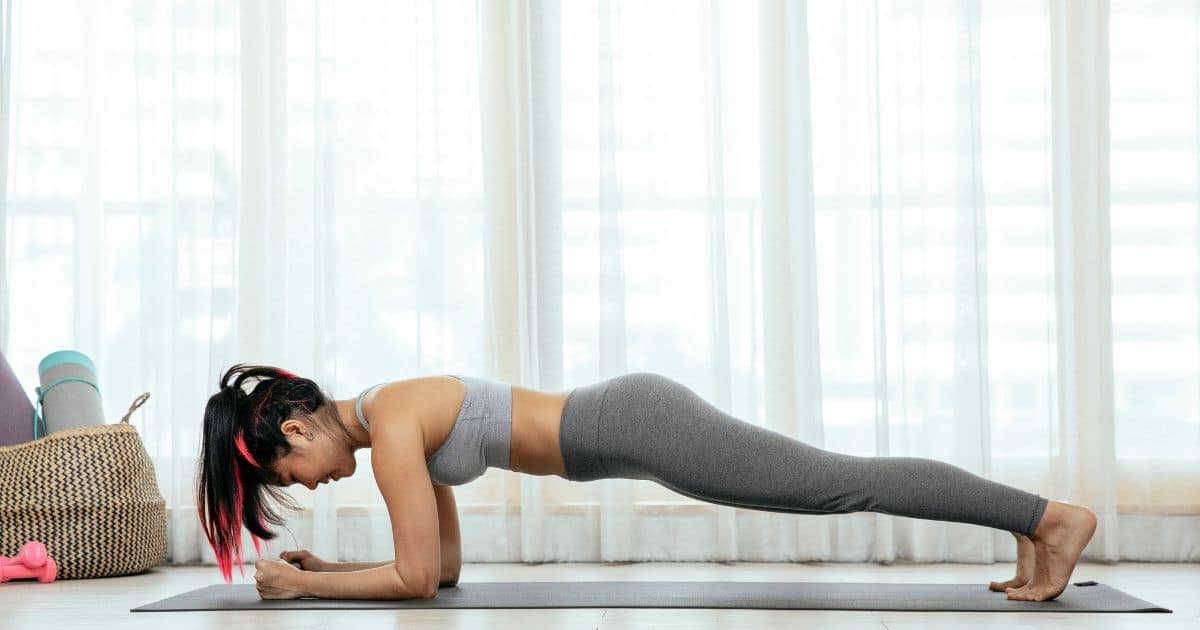
- Strengthen your core like a posture “seatbelt”: Choose 2–3 core strengthening moves that don’t provoke pain, think dead bug, bird-dog, side plank, or suitcase carry, and do 2 sets of 6–10 slow reps (or 20–30 seconds for holds). Aim for consistency rather than intensity; the goal is endurance so your trunk supports your spine during daily tasks. Guidance on core balance exercises varies, so start with two sessions per week and build up as recovery allows.
- Use yoga for posture to restore mobility where you’re stiff: A 10-minute flow can help “unlock” areas that force compensation, especially tight hips and a rigid upper back. Try cat-cow, low lunge, sphinx, and thoracic twists, focusing on long exhales and smooth transitions. Keep it easy, yoga should leave you taller and looser, not sore.
- Add breathing techniques that stack your ribs over your pelvis: Practice 5 slow breaths with one hand on your lower ribs and one on your belly, expanding 360 degrees (front, sides, and back) without shrugging your shoulders. Exhale fully and feel the ribs drop; this helps reduce the “rib flare” posture that strains the low back and neck. Pair it with exercises or manual therapy sessions to help your new alignment stick.
- Prevent tech neck with a “screen to eyes” rule: Bring the phone up toward eye level, or prop it on a surface instead of bending your neck to it. Use a timer for a 20-second posture reset every 10–15 minutes of scrolling: chin gently back, chest relaxed, shoulder blades wide. Small changes here matter because neck flexion adds up fast.
- Schedule movement breaks that change your spine’s shape: Every 30–45 minutes, stand up for 60–90 seconds, walk to refill water, do 10 calf raises, or perform a few hip hinges. The win is variety: switching positions reduces tissue irritation and helps your strengthening work carry over into real life.If you spend most of your day at a desk or frequently notice recurring neck, shoulder, or lower back tension, periodic therapeutic massage sessions can help address muscle tightness before it becomes a larger problem.
- Upgrade your sleep setup for neutral alignment: Side sleeping with a pillow that keeps your head level and a pillow between the knees often reduces twisting through the back and hips. If you’re working on neck or back pain, try to avoid sleeping on your stomach, which can strain your back and neck. Think of sleep as a 7–9 hour “posture rep”, making it easier for your body to recover in a good position.
Posture Questions, Answered Simply
Q: What are some easy daily habits I can practice to improve my posture without special equipment?
A: Think “frequent tiny resets,” not one rigid pose. A quick self-check is ear over shoulder, ribs stacked over pelvis, then take one slow breath and relax your jaw. Remember there is no one perfect posture; aim for comfort, symmetry, and variety.
Q: How can I avoid ‘tech neck’ and reduce strain while using my phone or computer?
A: Raise your screen toward eye level and bring your elbows in so you are not reaching forward. Every 10 minutes, do a 10-second reset: chin gently back, shoulder blades wide, and look far away once.
Q: Which exercises are most effective for strengthening muscles that support good spinal alignment?
A: Prioritize low-pain, high-control moves like dead bug, bird-dog, side plank, and band rows. Pair strength with safe stretches like a doorway chest opener and a gentle hip-flexor stretch, stopping before sharp pain.
Q: How does improving my posture benefit my overall health and energy levels?
A: Better alignment can reduce the “always on” muscle effort that drains your day and feeds tension headaches or back discomfort. If you are dealing with pain between the ribs and buttock, small posture changes plus movement breaks can make daily tasks feel easier.
Q: What ergonomic products or solutions can help me maintain better posture while working or studying?
A: Start with the basics: proper chair height, a screen at eye level, and a keyboard position that keeps wrists neutral and elbows close. Helpful solutions usually reduce reaching and slumping, but they work best when you still change positions regularly.
Q: What if I’m having trouble keeping my medical records and information organized?
A: If you are juggling handouts or posture plans, you can combine PDF files for free to help you merge your posture PDFs into one shareable file for easy follow-through.
Build Two Weeks of Posture Habits for Less Pain
Modern routines make it easy to slip back into slouched positions, especially if you spend long hours sitting, driving, or looking at digital screens. The most reliable solution is consistency: simple posture reminders, regular movement, strengthening exercises, and professional bodywork when needed. Over time, these habits help reduce muscular tension, improve mobility, and support long-term spinal health. If persistent stiffness or posture-related discomfort is making everyday activities more difficult, incorporating therapeutic massage into your wellness routine can help support your progress alongside healthy daily habits.